Tag: sustainability

  • Green Love: 5 Eco-Friendly Valentine’s Day Gifts to Celebrate Sustainability

    Green Love: 5 Eco-Friendly Valentine’s Day Gifts to Celebrate Sustainability

    Valentine’s Day is a celebration of love, but it doesn’t have to come at the expense of our planet. In India, where eco-conscious living is gaining momentum, it’s time to rethink traditional gifts and opt for sustainable alternatives. As we express our affection, let’s also show our commitment to a healthier Earth. Here are five eco-friendly Valentine’s Day gift ideas tailored for an Indian audience:

    1. 1. Buy Local Plants Instead of Roses:
      Gift a touch of nature by opting for locally sourced plants or a bouquet of seasonal flowers. This not only supports local businesses but also reduces the carbon footprint associated with long-distance transportation. A potted plant or locally grown flowers offer a lasting, eco-friendly gesture that can be cherished for months or even years.

    2. 2. Shop from Ethical Brands:
      Choose gifts from ethical and sustainable brands to ensure your present aligns with your values. Explore alternatives to traditional gifts, such as ethically sourced chocolates, vintage or sustainably made jewelry, and eco-friendly wine from vineyards prioritizing ecosystem conservation. By making conscious choices, you contribute to a sustainable and ethical market.

    3. 3. Experiences Over Things:
      Plan a memorable experience for your loved one rather than opting for tangible gifts. A romantic weekend getaway, a cooking class, or tickets to a local event not only create lasting memories but also minimize the environmental impact associated with physical goods. Focus on local experiences to support your community and reduce travel-related emissions.

    4. 4. Gifts for a Sustainable Lifestyle:
      Choose gifts that promote sustainability in everyday life. Choose eco-friendly items like stylish reusable water bottles or sets of reusable shopping bags. Consider gifting subscriptions to services supporting sustainable living, such as monthly deliveries of eco-friendly products, fair trade coffee clubs, or memberships to local Community Supported Agriculture (CSA) programs.

    5. 5. DIY Gifts:
      Embrace your creativity and make something special for your significant other. Handmade gifts, whether personalized photo albums, pieces of art, or crafted items, demonstrate thoughtfulness and effort. This unique approach to gift-giving minimizes the environmental impact associated with mass-produced goods and shipping.

    This Valentine’s Day, let’s make green the color of love and contribute to a healthier planet. By adopting eco-friendly practices, we not only express our love for one another but also show our love for the Earth. To explore more ways to live sustainably, join our community of like-minded individuals on Commons. Together, let’s make every day an opportunity to love and care for our planet.2

  • Understand Sustainability Development Global Goals

    Understand Sustainability Development Global Goals

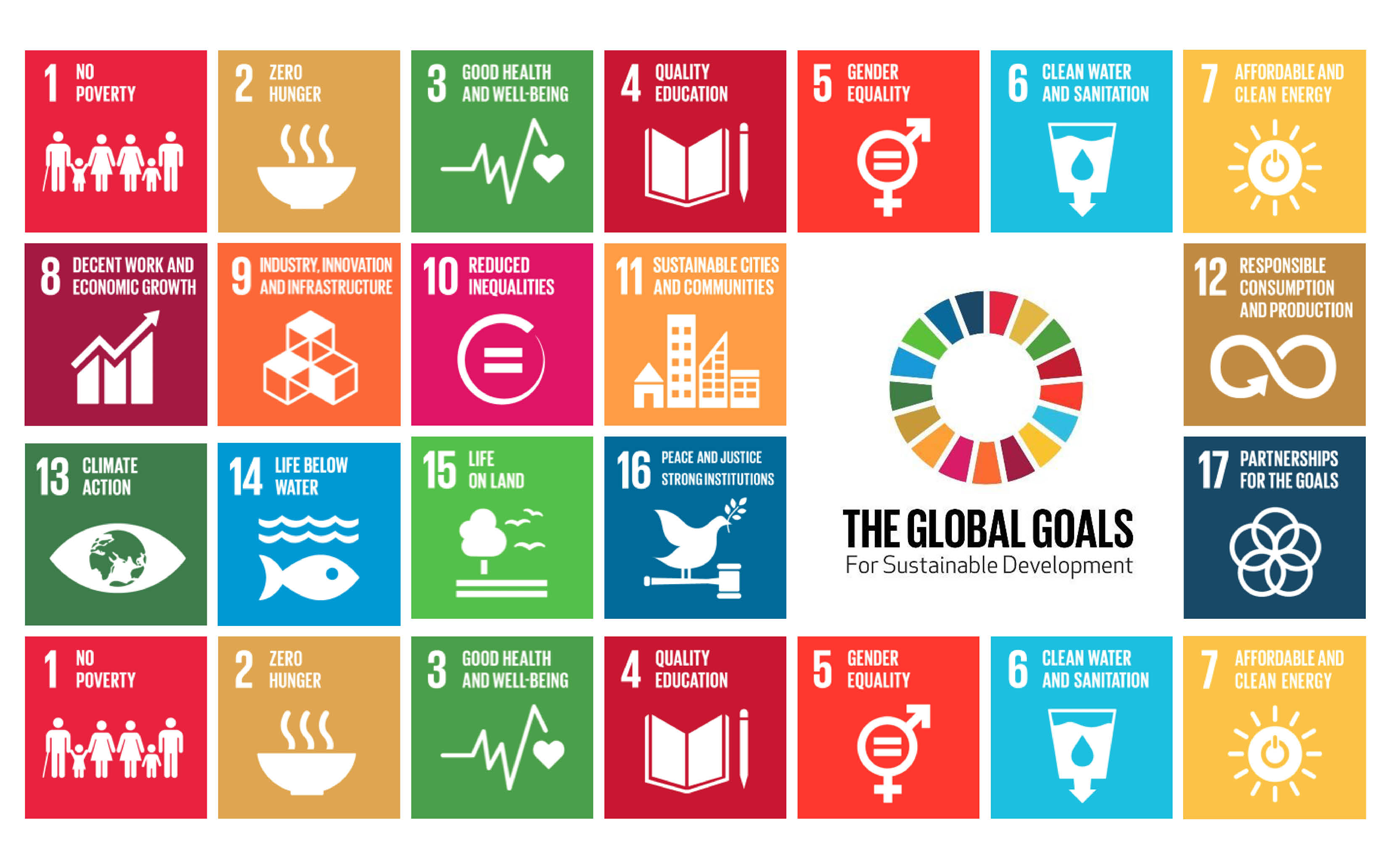
    By endorsing the 2030 Agenda for Sustainable Development in 2015, all member states of the United Nations agreed on a joint plan of action to bring about global sustainability in the form of lasting peace and prosperity. The 17 Sustainable Development Goals (SDGs) are at the heart of this global partnership, and they represent an urgent call to action from all countries, developed and developing. They see the connection between bettering health and education, reducing inequality, boosting economic growth, halting and reversing climate change, and protecting the world’s oceans and forests.

    For many years, UN member states and the UN’s Department of Economic and Social Affairs worked together to develop the SDGs.

    At the Earth Summit in June 1992 in Rio de Janeiro, Brazil, more than 178 countries endorsed Agenda 21. The goal of this strategy was to form a global alliance for sustainable development that would help people everywhere and keep the planet healthy at the same time.

    At the Millennium Summit, held in September 2000 at the United Nations Headquarters in New York, the member states unanimously voted to accept the Millennium Declaration. Eight Millennium Development Goals (MDGs) were established as a result of the summit to end global poverty by 2015.

    The Johannesburg Declaration on Sustainable Development and the Plan of Implementation was adopted at the 2002 World Summit on Sustainable Development in South Africa. These documents reaffirmed the global community’s commitment to ending poverty and protecting the environment, expanded on Agenda 21 and the Millennium Declaration, and emphasised multilateral partnerships.

    At the United Nations Conference on Sustainable Development (Rio+20) in June 2012, in Rio de Janeiro, Brazil, the Member States of the United Nations adopted the outcome document “The Future We Want.” In this document, the United Nations High-level Political Forum on Sustainable Development was established, and work on a new set of Sustainable Development Goals (SDGs) to succeed the Millennium Development Goals (MDGs) was initiated. Mandates for future programmes of work in development financing, small island developing states, and more were included in the Rio +20 conclusion as other measures to implement sustainable development.

    The UN General Assembly established the Open Working Group in 2013 to draft a SDG proposal. As a whole, there are 30 people in this group.

    In January 2015, the UN General Assembly began debating and negotiating the post-2015 development agenda. The 17 SDGs were adopted as the basis of the 2030 Agenda for Sustainable Development at the United Nations Sustainable Development Summit in September 2015.

    The 2030 Agenda for Sustainable Development’s 17 Sustainable Development Goals (SDGs) were approved at the UN Sustainable Development Summit in New York City in September 2015.

    Substantive support and capacity-building for the SDGs and related thematic issues like water, energy, climate, oceans, urbanisation, transport, science and technology, the Global Sustainable Development Report (GSDR), partnerships, and Small Island Developing States are currently provided by the United Nations Department of Economic and Social Affairs Division for Sustainable Development Goals (DSDG). Advocacy and communication for the SDGs and a review of the 2030 Agenda’s implementation across the United Nations system are the main focuses of DSDG’s work. Widespread support for the SDGs expressed as a firm commitment to implement them by all relevant parties, is necessary to turn the 2030 Agenda into a reality. In this way, DSDG intends to facilitate the establishment of such links.

    (Image Source: Un.org)

    India on SDGs

    A large portion of India’s National Development Agenda is reflected in the Sustainable Development Goals, which were developed in large part with input from India (SDGs). India’s progress toward the SDGs is crucial to the world’s success in achieving them. The SDGs aim to improve people’s lives by the year 2030, but with 17 goals, 169 targets, and 306 national indicators, they can be complicated to follow and evaluate.

    NITI Aayog has shown the way for other countries by publishing the SDG India Index – Baseline Report 2018, which details how India plans to evaluate progress toward the SDGs. The NITI Aayog has published the Sustainable Development Goals (SDG) India Index Baseline Report, which details the efforts of the Indian federal and state governments to date in achieving the 2030 SDG goals.

    The SDG India Index has been developed by NITI Aayog, and it measures progress toward 13 of the 17 SDGs (leaving out Goals 12, 13, 14 and 17). All of India’s states and union territories are measured on 62 national indicators that reflect the success or failure of government programmes and initiatives. The Sustainable Development Goals (SDG) India Index is meant to give a complete picture of the country and its States and UTs in terms of their social, economic, and environmental well-being.

    It is important to have a unified metric that can be used by policymakers, businesses, civil society organisations, and the general public, and the SDG India Index fits that bill. It was created to aid in the evaluation of the social, economic, and environmental impacts of India’s various state and union territory governments and to provide a comprehensive assessment of the performance of all such governments. Its purpose is to track India’s and its states’ efforts to achieve the 2030 Sustainable Development Goals.

    You can learn about data points for each sustainability goal also on our YouTube Channel Playlist ‘Understanding Sustainability Development Goal.’

    Think about this:

    According to a new report from March 2022, India has fallen from 117th to 120th place on the 17 Sustainable Development Goals adopted as part of the 2030 agenda by 192 UN member states in 2015. India is now ranked lower than every other south Asian country except Pakistan (currently ranked 129) Among the South Asian nations, Bhutan ranks 75th, Sri Lanka 87th, Nepal 96th, and Bangladesh 109th. Overall, India scored 66 out of a possible 100 points on the Sustainable Development Goals (SDG).


  • 5 simple practices which can build a more sustainable future

    5 simple practices which can build a more sustainable future

    Sustainability is the noblest concept to emerge in modern times, to preserve Earth for future generations. There’s a common notion that eco-friendly living necessitates eschewing all comforts. Simple actions can have a significant impact.

    Sustainability may be implemented in every element and help minimise carbon footprint by agreeing to the healthy decision for the world, including how to get to work, where to shop, what to eat, and which products to use to keep home and surroundings clean. 

    Here are five sustainable lifestyle practices to get you started.

    It’s important to practise the 3Rs.

    The transition to a more sustainable way of living is exciting and challenging at the same time. Reducing, reusing, and recycling (the “3Rs”) may sound like an adage, but they’re crucial to making the planet a better place to live.

    Everything about a product impacts the environment, from the raw materials to the production process to the pollution produced to the waste packaging that eventually ends up in a landfill. As a result, it is wise to know and assess the requirement for something before purchasing it. If you answered yes, you should buy all-natural, handmade products with minimal packaging.

    Reduce or do away with plastic consumption

    Everyone is aware of plastics’ destructive effects on the natural world. Most of it is destined for dumps or the ocean, where it may do severe damage to species and ecosystems. Many marine mammals, birds, and reptiles are killed yearly after becoming entangled in fishing nets or breathing in the plastic particles floating in the water. Eliminating plastic and replacing it with reusable and environmentally friendly alternatives is the most pleasing thing we can do for the planet.

    You may help reduce plastic waste by switching to reusable bags, never using plastic straws or water bottles again, and not buying anything manufactured or packaged in plastic.

    Eat more natural and organic products.

    Choosing organic and natural foods is healthy for the planet and the health of your loved ones. Helping the organic and natural food sectors thrive also requires providing workers in the industry with decent wages and other benefits. When you can afford it, choose organic produce; doing so reduces the use of toxic pesticides and safeguards the health of farm workers, wild animals, and your own family.

    Wear sustainable clothing and accessories.

    When it comes to environmental impact, the fashion industry consistently ranks high. As a result, the handloom and the handcrafted sector have been growing slower than the fashion sector. The artisan community can benefit from a stable income source while providing a product with a longer lifespan and lower environmental impact.

    Major clothing companies have gradually become more aware of the issue and adopted environmentally friendly production methods such as low-impact dyeing, upcycling natural materials, and producing organic pesticide-free cotton. Also, several new platforms have emerged offering organic garments to encourage sustainable living. It’s time for everyone to luxuriate in at least five handcrafted, natural clothing every year and embrace sustainable living.

    Reduce your carbon footprint by greening your abode

    A greener world involves minimising carbon footprint, and the better location, to begin with, is home. Your home’s energy efficiency will increase if you maintain it regularly and ensure proper insulation, emphasising energy-saving windows and energy-saving light bulbs for more efficient illumination.

    Several little things may be done to make a home more environmentally friendly, such as limiting power use and using natural light. Some additional strategies can be to buy products composed of natural elements like bamboo that have a longer shelf life, look lovely, and are cost-effective. The aim is to reduce landfill garbage, clean the air, and preserve the natural landscape.

    You may track every part of your carbon footprint with ‘Activity Explorer’ feature on the new Myplan8 app (launching soon) and get advice to reduce your carbon emission to achieve a sustainable living.

    Think about this:

    Every minute, one garbage truck’s worth of plastic enters the ocean. Marine litter and plastic pollution threaten aquatic life, human health, and the economy. Single-use plastics are made using fossil fuels, therefore they release carbon dioxide and other greenhouse gases. The extraction and delivery of fossil fuels to plastic factories releases 12.5 to 1.5 million metric tons of greenhouse emissions. Plastic production and incineration are estimated to generate 850 million metric tons of greenhouse gases in 2019, according to the CIEL. By 2050, this could reach 2.8 Gigatons of CO2, or 615 coal plants.

    Over 25,000 tons of plastic garbage are produced every day in India, yet only 40% is collected. You may prevent all this by using the “3 Rs” (Reduce, Reuse, and Recycle).

  • 3 Climate Megatrends that can help a more sustainable future

    3 Climate Megatrends that can help a more sustainable future

    One component of sustainability management is the decrease of emissions which can be achieved by an increase in the overall efficiency of the process.

    It’s possible to make the case that sustainability has been a big megatrend for a considerable amount of time, and if you did, you’d be right. In addition, you could argue that achieving sustainability as a strategic aim has been at the forefront of the priorities of many businesses for some time now, and you’d be right to do so.

    Why bother worrying about environmental issues in 2022 if you can disregard them? To begin, sustainability is an urgent issue for humanity on a global scale, and second, very few businesses have taken advantage of the many opportunities given by sustainable practices. These are two of the primary reasons why sustainable practices are becoming increasingly important. Forecasts are frequently subject to a considerable amount of subjectivity, and the application of trends varies considerably among industries. However, in multiple recent interactions I’ve had with experts in innovation, sustainability, and digitisation, the following three issues have emerged as significant trends in sustainability for the year 2022.

    1) Sustainability Innovations

    In recent years, globally and in India many companies have either initiated brand-new long-term sustainability programmes or refocused existing ones. Although this is a step in the right direction, most companies are still focusing their sustainability efforts on short-term goals, such as creasing productivity and streamlining operations to reduce waste, rather than concentrating on long-term goals, such as reducing emissions. This is a positive step in the right direction.

    This path toward better sustainability can significantly benefit many different kinds of enterprises. However, even though there are multiple other substantial chances for innovation in sustainable practices, these opportunities are being ignored in favour of a more narrow focus on efficiency. To fully embrace the financial prospects of sustainability management, businesses may need to make significant adjustments to their products, services, business models, and management approaches. This goes above and beyond simply improving their internal procedures and because of this, putting even more effort into developing environmentally friendly technologies in 2022 is necessary.

    2) Digital Sustainability

    The digitalisation process is the second megatrend that continues to be at the forefront of the strategic ambitions of many businesses. Surprisingly, however, the convergence of digitalisation and sustainability has thus far garnered a negligible amount of attention from the vast majority of companies.

    However, this will only go so far since, in 2022, many organisations will start focusing on digital sustainability in addition to analogue sustainability. This will limit the effectiveness of this strategy. This phenomenon is called “digital sustainability” or “digitainability.” In a recent article by  Ulrich Lichtenthaler for the Journal of Innovation Management titled “Digitainability: The Combined Effects of the Megatrends Digitalization and Sustainability,” He discussed the various positive and negative synergies that can result from concentrating on both of these topics at the same time. The piece’s author, which can be read in its whole and at no cost, contends that 2022 should be a priority year due to the importance of digital sustainability.

    3) Positive Sustainability.

    The management of sustainability encompasses more than only the reduction of emissions. Many businesses’ sustainability efforts are geared toward attaining “no net loss,” but even preventing damage might not be enough in the long run.

    However, for enterprises to have a “net positive impact,” they can no longer just focus on reducing their operations’ adverse effects on the environment. The term “sustainability” is perceived as the reference to the concept of positive sustainability. This concept is centred on the integration of preventing harm while simultaneously making the situation better. In conclusion, I believe that one of the most critical sustainability trends that will emerge in 2022 is an increase in environmentally conscious behaviour.

    Many new and established businesses perceive the idea of sustainability more as an opportunity than a danger. This is true for both types of companies. In this post-pandemic period, sustainability is not only a megatrend but also a field with a significant amount of untapped potential. Instead, it will act as the primary focus of many enterprises and represent the most significant opportunity for these businesses. When considering sustainability, it is critical to consider a broader range of issues than simply finding ways to cut emissions by improving how things are now done. The innovations in sustainability, digital sustainability, and the excellent sustainability trends of 2022 and beyond should be actively pursued by us, and we should not merely keep an eye on them.

    Think about this:

    Many new and established businesses perceive the idea of sustainability more as an opportunity than a danger. This is true for both types of companies. In this post-pandemic period, sustainability is not only a megatrend but also a field with a significant amount of untapped potential. Instead, it will act as the primary focus of many enterprises and represent the most significant opportunity for these businesses. When considering sustainability, it is critical to consider a broader range of issues than simply finding ways to cut emissions by improving how things are now done. The innovations in sustainability, digital sustainability, and the positive sustainability trends of 2022 and beyond should be actively pursued by us, and we should not merely keep an eye on them.Sponsored by: 1xbet

  • 8 Clever Ideas that may be useful in the fight against climate change

    8 Clever Ideas that may be useful in the fight against climate change

    Unfortunately, not every human innovation in history has been eco-friendly. The emissions from cars and coal-fired power plants contribute to global warming. Prehistoric air conditioners tore a massive hole in the ozone layer. Pesticides have had a negative impact on ecosystems and even destroyed some. Oceans are literally drowning in plastic.

    On the other hand, there are technological advancements that work to repair, protect, and revitalise Earth.

    Due to global crises like as climate change, deforestation, and ocean acidification, these advances are now more necessary than ever.

    Agricultural Drones with Tree-Planting Capabilities
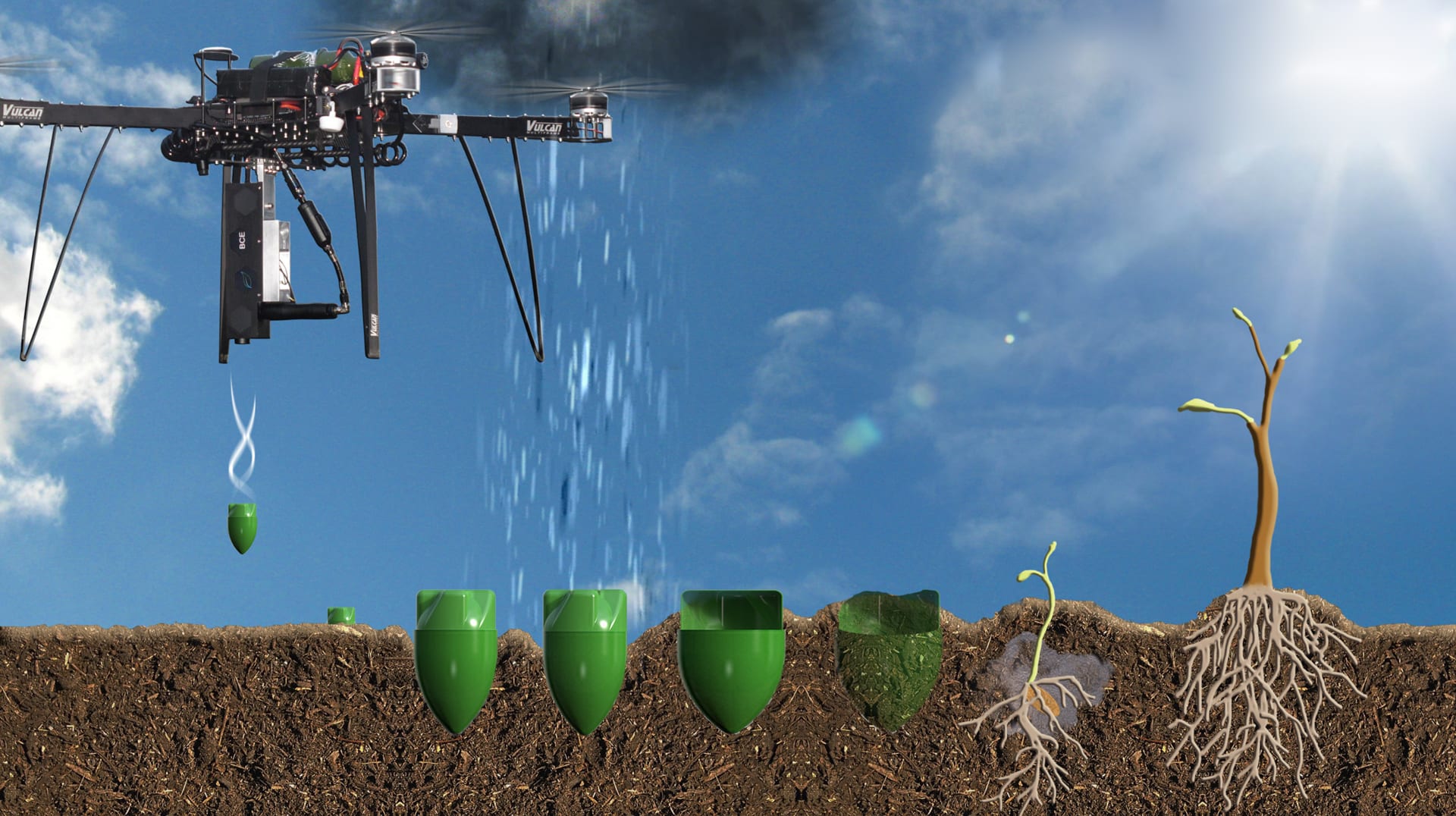
    Image: BioCarbon Engineering

    Trees play a crucial role in mitigating climate change by sequestering carbon dioxide and other greenhouse gases, purifying the air and water, restoring depleted soil, supporting biodiversity, and supplying human necessities such as food and shelter.

    However, the World Wildlife Fund reports that we lose the equivalent of 27 soccer fields’ worth of trees per minute, or 18.3 million acres, of forest each year.

    Seeds planted by hand are helpful, but it’s difficult for individuals to keep up with the rate of industrial deforestation.

    This is why scientists and engineers all over the world are developing cutting-edge methods.

    BioCarbon, a company based in the United Kingdom, is employing drones to spread tree seeds across degraded forest land, with the bold promise that they can plant 1 billion trees year. Sankalp Taru a tree planting organisation. Indian company Marut Drones, which pioneered the use of drones in agriculture and the distribution of vaccines, is now employing the technology as part of the government’s Hara Bhara programme to reforest massive swaths of land.

    Planting drones hover six feet above the ground and fire seeds so quickly that they get securely implanted into the soil, a method touted by National Geographic.

    Massive, ‘Palm Tree’ Wind Farms
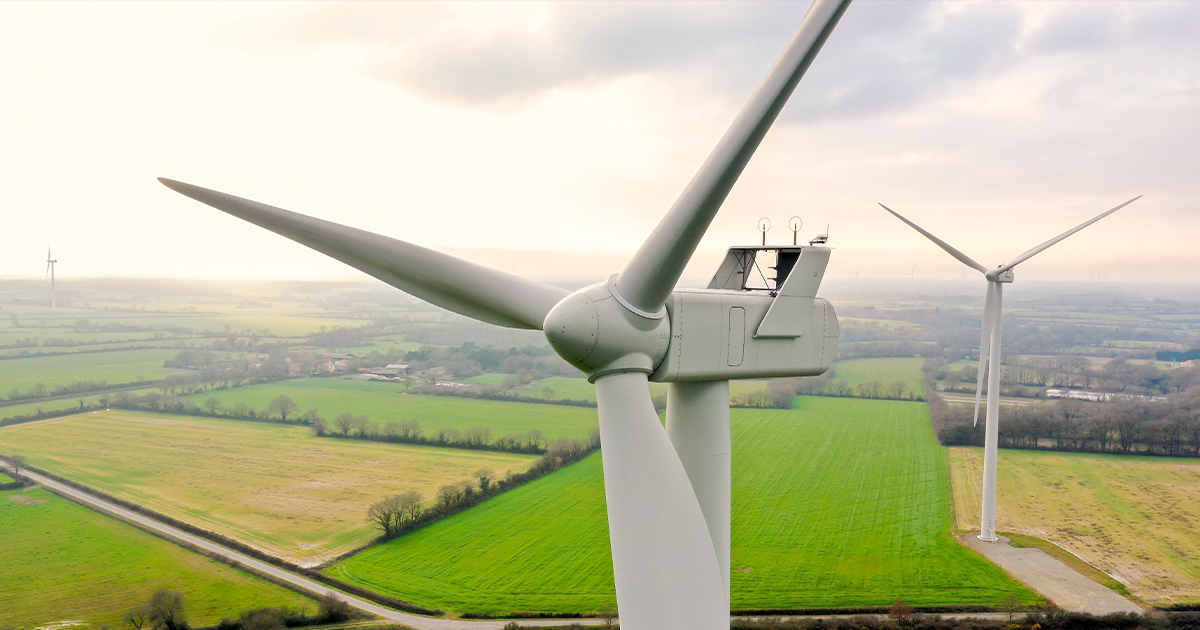
    Image: Free think

    Despite its potential, wind energy is rarely put to use.

    A group of scientists even calculated that a wind farm in the Atlantic Ocean the size of Greenland might produce enough energy to supply the world’s needs, so rendering fossil fuels obsolete.

    It’s easy to understand the concept, but putting it into practise is much more challenging.  One team of engineers is making strides in this direction by constructing wind turbines that are twice as enormous as the largest turbines currently in operation. According to the New York Times, the 650-foot-tall blades would respond to the speed and direction of wind by bending like palm tree fronds.

    Satellites that Can Spot Methane Leaks
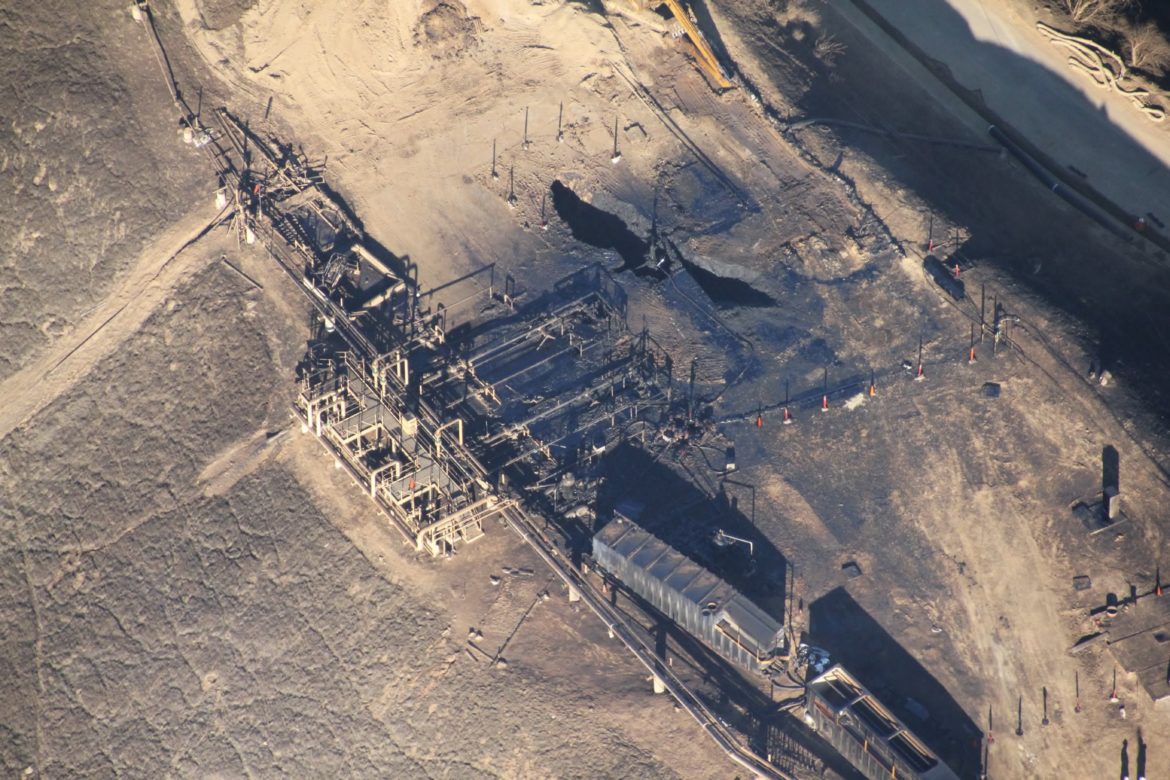
    Image: Inside Energy

    Fracking and other activities can trigger leaks that, for months at a time, discharge vast volumes of a colourless, odourless gas into the sky.

    The offender is methane, which can be 80 times more efficient at maintaining heat than carbon.

    The New York Times reports that researchers are preparing to launch a satellite that can pinpoint the location and timing of methane leaks. So, the leaks may be fixed as soon as feasible.

    The satellite has the potential to reduce methane emissions from the oil and gas industry by as much as 50 percent.

    Circulating Pumps for Reefs to Reduce Temperature
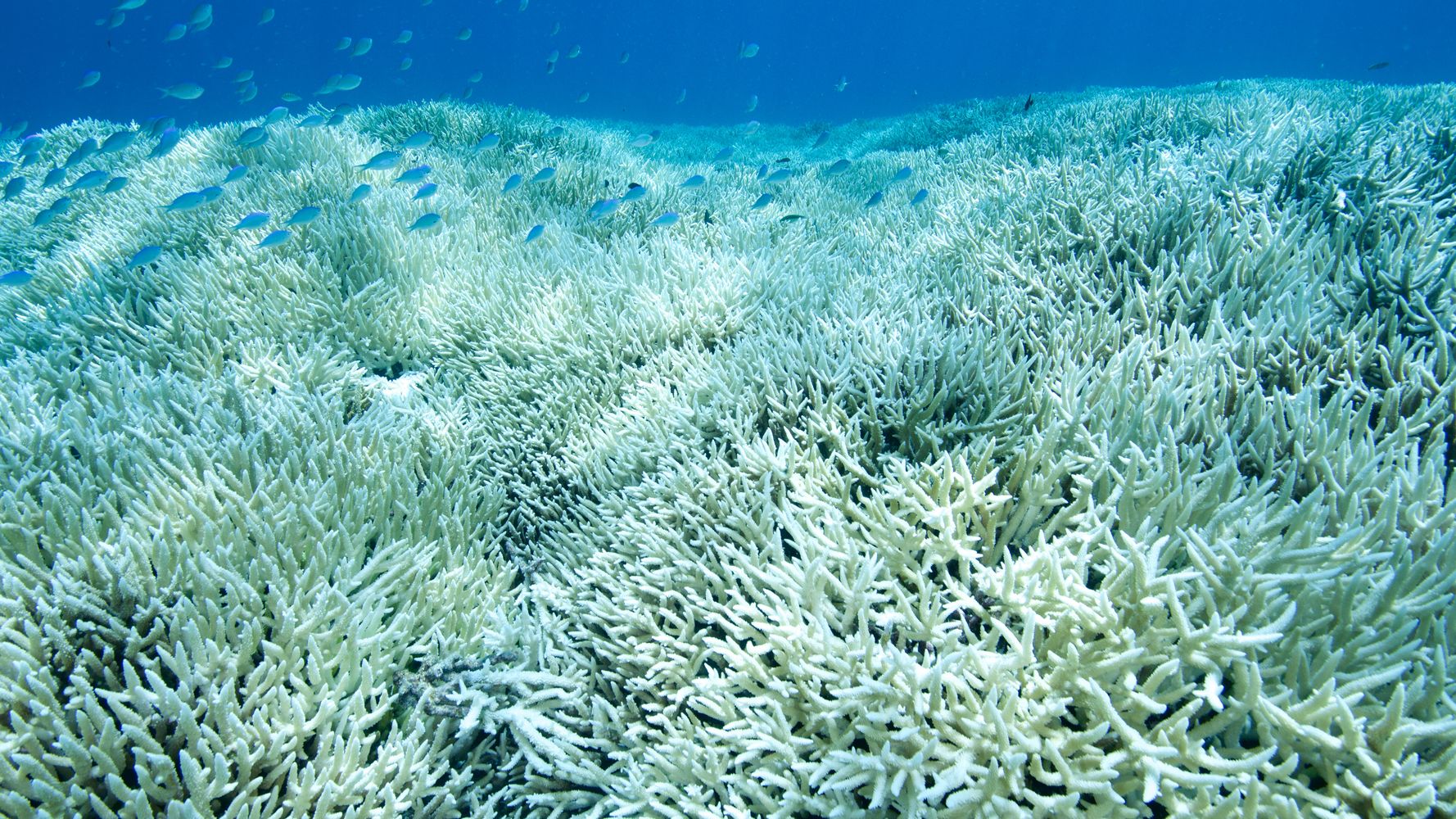
    Image: Huff post

    Increases in temperature of even two or three degrees Celsius pose an existential threat to coral reefs.

    And as the temperature rises around the globe, coral reefs are dying off.

    For example, an engineer by the name of Mo Ehsani is working on a plan to relieve coral by installing an undersea conduit that can pump cold water over reefs, so chilling them off and preventing a phenomenon known as coral bleaching.

    While his proposal won’t stop climate change from becoming an even greater concern, it might help coral reefs around the world hold off further deterioration.

    Plastic Eating Enzymes

    Photo credit: Institute of innovation

    According to the present rate of production, there will be 12 billion metric tonnes of plastic trash in the world by the year 2050. That’s the weight of a medium automobile, or 1.6 metric tonnes, for every person on Earth.

    There is a serious hazard to human health from the presence of plastic in our food and water supply, and all of this plastic is wreaking havoc on wildlife. Nonetheless, a chance scientific discovery may alter this for the better. A group of Japanese scientists accidentally created an enzyme that can degrade plastic in a few days, a significantly shorter amount of time than the typical hundreds of years it takes for plastic to decay. This “means we won’t need to dig up any more oil and, basically, it should minimise the amount of plastic in the environment,” Professor John McGeehan of the University of Portsmouth, UK, told the Guardian.

    Futuristic Solar Panels

    The Manhattan skyline can be seen in the background of this photograph taken on February 14, 2017, at the Brooklyn Navy Yard in New York City.
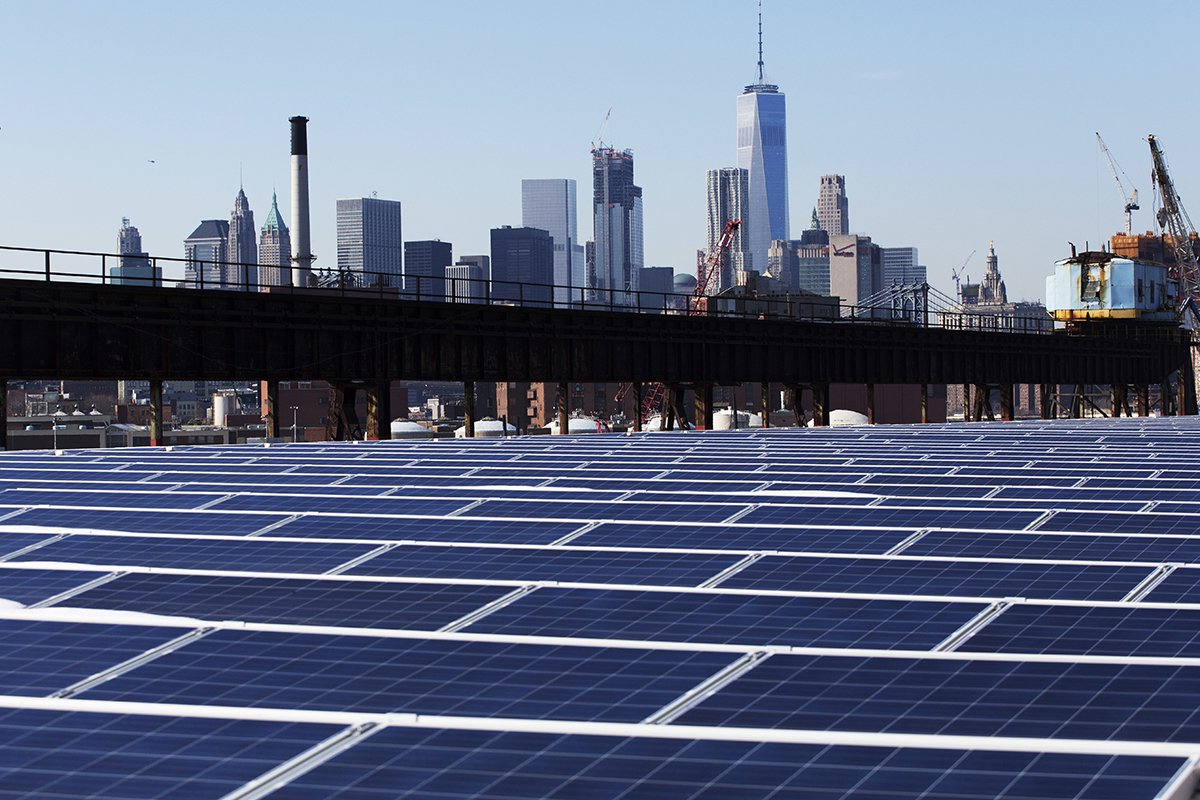
    Image:  Mark Lennihan/Associated Press

    Typically, solar panels are placed on the tops of buildings or in expansive fields where they can get an unobstructed amount of sunshine.

    However, researchers are always exploring novel methods of collecting solar power.

    Researchers at Michigan State University think all windows and cell phone screens might start harvesting the sun’s energy soon, and new solar panels created in China can convert rainwater into usable electricity.

    Geo-engineering for solar

    Image: AP Photo/David Goldman, File

    The last four years have been the warmest on record, and if current trends continue, global temperatures might rise by as much as 7.5 degrees Fahrenheit (4.8 degrees Celsius) by the end of the century, leading to catastrophic environmental consequences.

    Researchers at Harvard propose releasing sun-blocking particles into the atmosphere to chill the world and delay the worst effects of climate change if a drastic reduction in global greenhouse gas emissions is not implemented.

    According to Harvard geoengineer David Keith, who talked with Global Citizen, the same particles are spewed into the atmosphere by cars and factories, which may sound like apocalyptic technology.

    According to him, the only viable method to stop climate change is for countries to reduce their emissions, and blocking the sun on purpose could give them that time they need.

    Genetic Modification
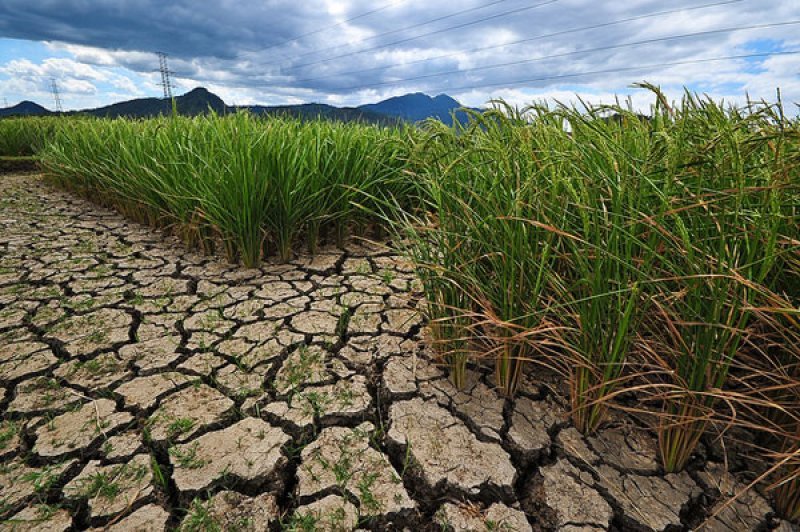
    Image: Genetic Literacy Project

    Drought, flooding, and pests will become more likely as a result of climate change, which could eventually wipe out widely consumed crops like corn, coffee, and chocolate. In the meanwhile, genetic engineering has the potential to fortify crops against these disruptions by introducing traits that make them more resistant to things like pests, drought, and saltwater intrusion brought on by rising sea levels.

    Despite widespread scientific agreement that genetically modified organisms (GMOs) are safe for human consumption, the controversy surrounding them has hindered their adoption around the world.

    The Global Goals are a focus of Global Citizen’s advocacy work because they encourage novel approaches to environmental protection. You have the power to resolve this problem.

    Think about this:

    Each additional degree matters now because the world is 1.2 degrees warmer than it was before industrialization. Global warming of 2°C is predicted to increase the frequency and severity of extreme weather events such droughts, floods, wildfires, and storms.

    Despite some progress, COP26 failed to take meaningful climate action last year. U.N. Secretary-General António Guterres warned that “our delicate world is hanging by a thread” during COP26, the United Nations’ most recent conference on climate change. As of now, a climate disaster is still only on the horizon. In the absence of immediate action, our chances of achieving net-zero will be nil.

    Sometimes the future looks bleak. The good news is that everyone of us still has a great deal of power to alter this story’s course. All of us must take action now to address the climate disaster. Any new invention or discovery which make the world a better place  is what we need.Sponsored by: 1xbet