Tag: climate change

  • IPCC AR6 Synthesis Report on Climate Change 2023: What India needs to understand?

    IPCC AR6 Synthesis Report on Climate Change 2023: What India needs to understand?

    The IPCC assessment warns that India will be severely affected by the climate challenge, and the synthesis report was published on 20 March 2023. The Intergovernmental Panel on Climate Change (IPCC) is producing its Sixth Assessment Report (AR6) with the assistance of its three Working Groups, a Synthesis Report, three Special Reports, and a revision to its most recent Methodology Report.

    Considered a “last warning” to humanity, the report suggests immediate global restorative measures. At 1.5°C, biodiversity loss, mortality, species extinction, and loss of livelihood are predicted; at 1.6°C, 10% of species will become endangered. In vulnerable regions characterised by extreme temperatures and precipitation, global warming exacerbates these threats. Almost 80% of marine species in the tropical Indian and Pacific Oceans could perish if the planet heats by 3°C. Above 4°C, biome shifts affecting 35 percent of the world’s land area and extinction of 50 percent of tropical marine species are predicted.

    The impacts of climate change on India and the subcontinent are severe, threatening water, food, soil, and life. In Asia, Africa, China, India, and Bangladesh, the risk of all maize crops failing simultaneously ranges from 6 to 40% due to the increasing flood risk. Death and impairment rates differ by region due to the effects of extreme temperatures and infectious diseases. The recent migration of tropical species from the Atlantic and Indian Oceans into the Mediterranean has been linked to the warming of the region.

    Social-Ecological Systems (SES) are sensitive to global temperature changes due to their small seawater volume and landlocked location.

    WSI (Water Stress Index) estimates indicate that four billion people confront severe water scarcity every year, with India and China being the most affected. Even in arid regions, climate change is diminishing water supplies. In North Africa, the Middle East, a large portion of India, and northern China, water security is inadequate. In 2015, 29% of the world’s population did not have access to clean water. In South and Southeast Asia, water insecurity is caused by the escalating risk of flooding and low water quality.

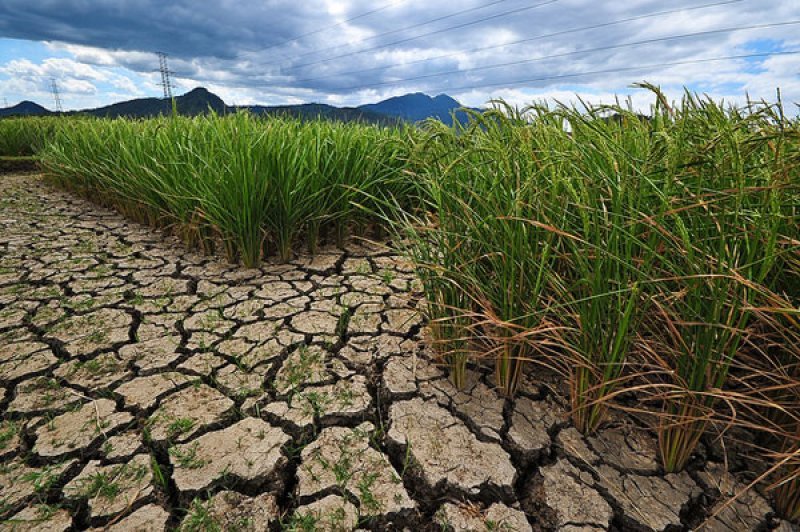
    Droughts are costly, limit water availability, and harm crops, yields, and the economy. One article (Ward and Makhija, 2018) estimated that the drought in India in 2014 cost $30 billion. Increased conflagration danger due to drought During droughts, inadequate sanitation, population displacement, the loss of social ties, place, and cultural identity, as well as migration to hazardous settlements, can pose health risks (Serdeczny et al., 2017). 34% of disaster-related fatalities were a result of droughts.

    Irrigation increases food security, livelihood support, and poverty alleviation in India (Sekhri, 2014), Bangladesh (Salem et al., 2018), and sub-Saharan Africa (Taylor et al., 2013a; Cuthbert et al., 2019b) due to groundwater utilization.

    In May 2020, West Bengal, India, and Bangladesh were affected by Cyclone Amphan.

    The loss of 1600 square kilometres of Sundarbans mangroves and an estimated $13.5 billion. India and Bangladesh were displaced by Cyclone Amphan in the year 2020. 800,000 of the 2,4 million evacuees were government-organized.

    At a global temperature increase of 4°C, precipitation on the Indian subcontinent rises from a few percent to more than 70 percent. By 2050, habitat suitability in India’s western ghats will decrease by 10% due to climate change. The warming of the western Indian Ocean has increased tropical cyclone frequency and intensity. A 1.5°C higher environment could quadruple extreme positive IODs, potentially causing insect epidemics. The Gangetic Plain, the corridor between Delhi and Lahore, coastal cities like Chennai, Chittagong, Dhaka, and Mumbai, and other rural-to-urban migration centers in South Asia would be affected by climate change. According to migration estimates, thirteen of the top twenty coastal cities with flood casualties in 2050 will be located in Asia. Losses attributable to rising sea levels could reach 112–162 billion US dollars by 2050 and 2.8–2.9 billion US dollars by 2070 in Mumbai (India).

    The good news is that solutions exist for India and the subcontinent, and they can resolve all of these problems with the available solutions. The government, corporations, micro, small, and medium-sized enterprises (MSMEs), and the general populace all take action as if it were an urgent matter. Consumer-driven demand and mass production have the largest impact on climate change victims.

    India emits 2.88 Gt of CO2 per year. 35% of India’s population, or 141 billion individuals, reside in urban areas. Urban Indians generate 1.32 tons of CO2 per year. The 650 million tons (approximately 22 percent of the total) of CO2e are produced by the 493 million residents of India’s metropolitan regions.

    Annually, India emits 2.46 billion metric tons of CO2 equivalent, or 6.8% of the global total. In India, the poor produce 0.19 tons of CO2 equivalent annually compared to 1.32 tons for the affluent.

    We must raise awareness of these individuals and take consistent action to counteract their negative impact on the environment. Why?

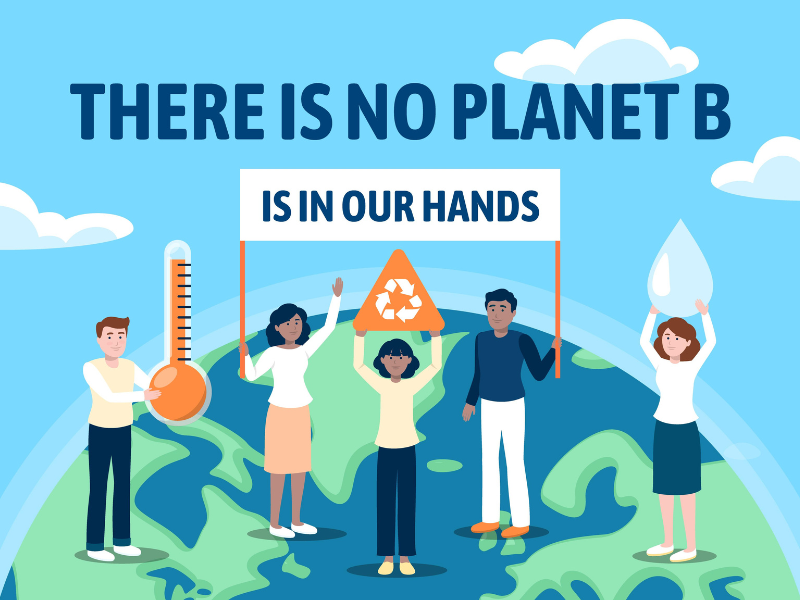
    Because each tiny action helps save the planet. Individuals are capable of and will have the greatest influence on climate action. No policy, regulation, business, or organization can prevent us from creating a better planet if we all work together to reduce our impact. Mission LiFE (Lifestyle for the Environment) can be fully realized.
  • Why is offsetting necessary to create a better world?

    Why is offsetting necessary to create a better world?

    Carbon, carbon everywhere, are we waiting for the day when there will be no clean air?

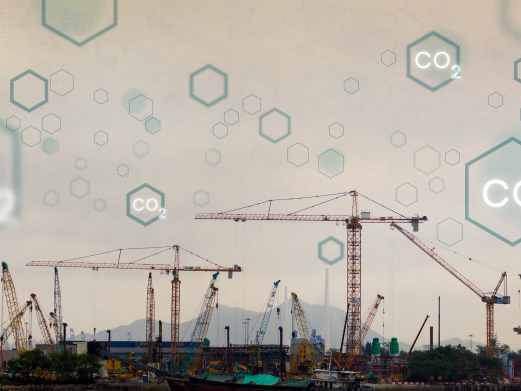
    The global effort to reduce emissions of greenhouse gases (GHGs) and mitigate warming and climate change includes measures to reduce carbon dioxide (CO2) emissions. Even if reducing emissions of other greenhouse gases like methane is vital, reducing carbon dioxide emissions is the essential thing that can be done to address climate change.

    Myplan8 is working hard to develop the infrastructure needed to make it easy for individuals to offset their carbon emissions transparent and verifiable. Nonetheless, how efficient are these carbon offsets? In this article, we’ll go into greater detail about carbon offsetting, explaining what it is and how it can help reduce your carbon footprint.

    What is carbon offsetting?

    Carbon offsetting involves compensating a third party for your own greenhouse gas emissions by paying them to remove an equivalent amount of carbon dioxide and other gases from the atmosphere. This is reported in terms of carbon dioxide (CO2e) equivalents because CO2 is the most prevalent greenhouse gas.

    Carbon offsetting can be done for a single action, like taking a flight, or for an organization’s entire set of actions. Carbon credits, which are generated when carbon capture technologies successfully remove CO2 from the air, are the primary tool for offsetting. People and organisations can become carbon neutral if they purchase emission offsets to make up for their own emissions. A carbon credit’s associated carbon must be retired after it is purchased. Retirement of credits implies that the offsets linked with them cannot be counted again, which eliminates the possibility of double counting credits and ensures that emissions reductions are more accurately reflected.

    Compliance carbon market participants must use verified emission reductions (VERs), while voluntary carbon market participants use certified emission reductions (CERs) (CERs). Cap-and-trade systems, which feature their own compliance market, primarily target larger, carbon-intensive businesses and sectors. To avoid exceeding a government-mandated cap on emissions, businesses in this market must purchase carbon offsets.

    It is the companies in the voluntary market that have chosen to offset their carbon emissions in an entirely voluntary manner. The meteoric growth of this industry over the past few years can be directly attributed to investor demand to only invest in companies with strong emissions reductions plans and other favourable ESG (environmental, social, and governance) criteria in place.

    The amount of carbon dioxide (CO2) that has been kept out of the air is commonly quantified in terms of kilogrammes or metric tonnes when discussing carbon offsets.

    Can carbon offsetting help us meet our emission reduction goals?

    Carbon offsetting works if it leads to a net decrease in atmospheric carbon, as would occur if polluting activities in one region were to reduce their carbon emissions. To counteract the emissions, you designate in your purchase, you must use carbon offsets that capture a verifiable amount of carbon.

    Although this is a commendable strategy, it shouldn’t make up all your climate change mitigation efforts. Source reductions are necessary to achieve net-zero emissions, which is preferable to carbon neutrality from an environmental perspective.

    Where Can I Find Some Good Cases of Carbon Offsets?

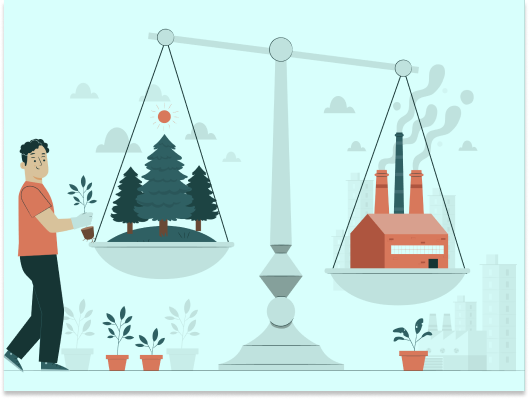
    Tree planting is a standard method of creating carbon offsets because trees can absorb and store carbon dioxide. Although this is not the only way to counteract carbon output, it is the most popular and effective approach at the moment.

    The most well-known approaches to carbon offsetting involve tree planting and other forms of restorative forestry, but there are other possibilities. Methods currently in use for capturing carbon include direct capture from CO2 emitted by fossil fuels, capture and storage of CO2 and other GHGs that seep out of landfills, and renewable energy projects (or clean energy projects) that create carbon credits. Rather than destroying forests and the carbon they store, a new method of offsetting allows them to remain uncut. The local communities that rely on the forest for their livelihoods benefit from this, and the forest’s biodiversity is preserved.

    How can you tell if offsetting is effectively reducing your carbon footprint?

    If you want to make a severe dent in the amount of carbon pollution you are personally responsible for, offsetting your emissions with a reputable organisation is a must. Most offset programmes can be relied upon, including Terrapass’ offsetting based on personal carbon offset calculations. It will help if you determine which option best suits your needs. High-quality Offsets are more likely to come from programmes that third-party auditors have verified according to the Gold Standard or Verra VCS standards.

    Is It Possible to Neutralize My Carbon Footprint?

    Depending on your lifestyle, where you live, and your level of self-awareness, you may be able to offset your carbon footprint. Because your existence contributes to worldwide indirect (and probably direct) emissions, reaching carbon neutrality without offsetting your footprint is exceedingly tricky. CO2 is produced and released whenever an elevator is used in a high-rise building, or a meal is cooked on the street. Knowing how much carbon your lifestyle generates and how much you can offset is essential for reaching net-zero emissions.

    The less pollution you produce, the less effort will be needed to counteract it. The larger your carbon footprint, the more offsets you’ll need to compensate for your increased emissions.

    Myplan8’s new app will be able to provide some of the best and easy offsetting projects for you neutralise your impact on the planet.

    Think about this:

    If we plant enough trees, We can offset our carbon dioxide emissions.

    There are many variables that affect how many trees are needed to offset the effects of a ton of carbon footprint, such as the type of tree planted, the conditions in which it grows, the age of the tree, and so on. Myplan8’s data shows that you can offset 1 ton (i.e, 1,000 kgs) of your annual carbon emission by planting approximately 73 trees (i.e palm tree, 1361 kg, offset in 100 years, as we said the number will vary with the type of native tree). With the new Myplan8 app, you’ll be able to figure out exactly how much carbon you’re emitting and find an offsetting project to help you nuetralise it out.

  • 5 simple practices which can build a more sustainable future

    5 simple practices which can build a more sustainable future

    Sustainability is the noblest concept to emerge in modern times, to preserve Earth for future generations. There’s a common notion that eco-friendly living necessitates eschewing all comforts. Simple actions can have a significant impact.

    Sustainability may be implemented in every element and help minimise carbon footprint by agreeing to the healthy decision for the world, including how to get to work, where to shop, what to eat, and which products to use to keep home and surroundings clean. 

    Here are five sustainable lifestyle practices to get you started.

    It’s important to practise the 3Rs.

    The transition to a more sustainable way of living is exciting and challenging at the same time. Reducing, reusing, and recycling (the “3Rs”) may sound like an adage, but they’re crucial to making the planet a better place to live.

    Everything about a product impacts the environment, from the raw materials to the production process to the pollution produced to the waste packaging that eventually ends up in a landfill. As a result, it is wise to know and assess the requirement for something before purchasing it. If you answered yes, you should buy all-natural, handmade products with minimal packaging.

    Reduce or do away with plastic consumption

    Everyone is aware of plastics’ destructive effects on the natural world. Most of it is destined for dumps or the ocean, where it may do severe damage to species and ecosystems. Many marine mammals, birds, and reptiles are killed yearly after becoming entangled in fishing nets or breathing in the plastic particles floating in the water. Eliminating plastic and replacing it with reusable and environmentally friendly alternatives is the most pleasing thing we can do for the planet.

    You may help reduce plastic waste by switching to reusable bags, never using plastic straws or water bottles again, and not buying anything manufactured or packaged in plastic.

    Eat more natural and organic products.

    Choosing organic and natural foods is healthy for the planet and the health of your loved ones. Helping the organic and natural food sectors thrive also requires providing workers in the industry with decent wages and other benefits. When you can afford it, choose organic produce; doing so reduces the use of toxic pesticides and safeguards the health of farm workers, wild animals, and your own family.

    Wear sustainable clothing and accessories.

    When it comes to environmental impact, the fashion industry consistently ranks high. As a result, the handloom and the handcrafted sector have been growing slower than the fashion sector. The artisan community can benefit from a stable income source while providing a product with a longer lifespan and lower environmental impact.

    Major clothing companies have gradually become more aware of the issue and adopted environmentally friendly production methods such as low-impact dyeing, upcycling natural materials, and producing organic pesticide-free cotton. Also, several new platforms have emerged offering organic garments to encourage sustainable living. It’s time for everyone to luxuriate in at least five handcrafted, natural clothing every year and embrace sustainable living.

    Reduce your carbon footprint by greening your abode

    A greener world involves minimising carbon footprint, and the better location, to begin with, is home. Your home’s energy efficiency will increase if you maintain it regularly and ensure proper insulation, emphasising energy-saving windows and energy-saving light bulbs for more efficient illumination.

    Several little things may be done to make a home more environmentally friendly, such as limiting power use and using natural light. Some additional strategies can be to buy products composed of natural elements like bamboo that have a longer shelf life, look lovely, and are cost-effective. The aim is to reduce landfill garbage, clean the air, and preserve the natural landscape.

    You may track every part of your carbon footprint with ‘Activity Explorer’ feature on the new Myplan8 app (launching soon) and get advice to reduce your carbon emission to achieve a sustainable living.

    Think about this:

    Every minute, one garbage truck’s worth of plastic enters the ocean. Marine litter and plastic pollution threaten aquatic life, human health, and the economy. Single-use plastics are made using fossil fuels, therefore they release carbon dioxide and other greenhouse gases. The extraction and delivery of fossil fuels to plastic factories releases 12.5 to 1.5 million metric tons of greenhouse emissions. Plastic production and incineration are estimated to generate 850 million metric tons of greenhouse gases in 2019, according to the CIEL. By 2050, this could reach 2.8 Gigatons of CO2, or 615 coal plants.

    Over 25,000 tons of plastic garbage are produced every day in India, yet only 40% is collected. You may prevent all this by using the “3 Rs” (Reduce, Reuse, and Recycle).

  • 6 Companies working towards the ‘Carbon-free Economy’ for the future

    6 Companies working towards the ‘Carbon-free Economy’ for the future

    More and more of the world’s largest corporations are taking action to combat climate change and provide the groundwork for future net-zero carbon economies. They are making the most of the opportunity to accelerate innovation, strengthen competitiveness, enhance risk management, and accelerate growth.

    Below are a few examples of companies that have set ambitious targets for reducing their environmental impact. 

    Unilever only operates on sustainable energy sources throughout all five continents.

    One of the largest fast-moving consumer goods firms in the world, Unilever, which provides products to approximately 2.5 billion people every day, reported in September, 2019 that it had achieved substantial progress toward its targets for using renewable energy.

    The company’s operations are powered entirely by renewable grid electricity on all five continents. Not only does this demonstrate progress toward its objective of using 100% renewable electricity with RE100, but it also demonstrates progress toward its ultimate aim of being carbon positive by 2030.

    Unilever has funded energy-efficiency initiatives to achieve this. This has led to a 28% decrease in overall energy consumption and a 50% reduction in carbon emissions per tonne since 2008. The declaration came just days before Unilever joins other business and government leaders at the UN Secretary General’s Climate Action Summit held in September of 2019, to discuss the critical need to keep the average global temperature rise below 1.5°C, marking the official start of Climate Week NYC, 2019

    The corporation is attempting to hasten the transition to electric vehicles through EV100 and other initiatives.

    Mahindra: Making progress toward ambitious objectives

    Anand Mahindra, chairman of the Mahindra Group, issued a call to action for companies worldwide to commit to a science-based emission reduction objective at the start of 2018. (SBT).

    He followed up on his rousing call to action by saying he would establish SBTs for each company in the $20.7 billion Indian conglomerate and work toward making the entire group carbon-neutral by 2040. Twenty member firms have committed to using SBTs as part of the group’s Science Based Targets project.

    The two Mahindra enterprises responsible for the most greenhouse gas emissions, Tech Mahindra and Mahindra Sanyo Special Steel, were the pioneers in committing to and obtaining approval for SBTs, with Sanyo Steel becoming the first steel manufacturer in the world to do so.

    The team is making headway in its mission. Company-wide emissions decreased by 14% over the fiscal year 2017-18, totalling 618,439 t CO2 across direct, indirect, and value chain emissions (Scopes 1, 2, and 3). The $419 million in annual revenue generated by the company’s “green” companies demonstrates that addressing climate change does not have to compromise profit margins.

    IKEA: Quickening the Pace of Climate Change

    IKEA’s parent company, INGKA Group, is making more strides toward achieving a climate-positive value chain by 2030, even as the IKEA brand continues to expand. This involves achieving its scientific goals, such as moving to 100% renewable electricity by 2025 (RE100) and 100% zero-emission home delivery by 2030 (EV100).

    IKEA is making progress toward its aim in the area of renewable energy. IKEA sourced 81% of the energy it consumed throughout its 2018 fiscal year from renewable resources. In 2021 IKEA announced a new programme in India, Poland and China that supports nearly 1,600 direct suppliers to switch to 100 per cent renewable electricity.

    In 2019, only one year after it was first stated, the target was met in Shanghai. Recently, IKEA stores in India, China, Australia, and France have all begun using electric vehicles.

    Levi’s: Ahead of schedule

    The first of Levi Strauss & Co.’s goals was to reduce emissions by 25 per cent by 2020, and the company has already accomplished this. In light of these gains, the firm has committed to cutting GHG emissions by 90% inside its operations and 40% throughout its worldwide supplier chain by 2025. Also, they’re committed to making the change to renewable energy.

    Company employees are working to ensure that all of the company’s electricity comes from renewable sources by cutting energy waste, installing solar panels at locations around the world, purchasing green utility products in Europe, entering into power purchase agreements (PPAs) in the United States, and purchasing renewable energy certificates (RECs) in various countries.

    An interesting data: by the end of 2017, Levi’s had helped six of its suppliers in Bangladesh, India, Sri Lanka, and Vietnam reduce their greenhouse gas emissions by 13% and their energy use by 22%. These initiatives saved manufacturers over a million dollars in operational costs while reducing their carbon footprints. GlobeScan is doing a market study in 2021 and Levi’s is taking part in it in Brazil, China, France, India, South Africa, the United Kingdom, and the United States. The study’s goal is to learn how individuals place a monetary value on nature, and its outcomes will shed light on regional perspectives on nature and the role of corporations in its protection. In the long run, it hopes to apply what it has learned to get people invested in helping to protect biodiversity.

    Maersk: Revolutionizing the Shipping Industry

    The world’s largest shipping container firm, Maersk, has challenged its competitors and suppliers by committing to carbon neutrality by 2040. It supports this lofty objective by focusing on the ships and fuels important to international shipping. 

    In order to meet this goal, Maersk Ocean has established a policy of only buying newly built vessels that can be operated on green fuels, and has pledged to reduce emissions per transported container in its fleet by 50% by 2020. By modifying the dimensions of the hull and the ship’s motion, Maersk has created dishes that are 15 per cent more efficient than standard vessels.

    Since 2007, Maersk has reduced its CO2 emissions per container by 46%, which is 9% greater than the industry average.

    Rolls-Royce’s Vision for a Carbon-Free Future

    Rolls-Royce is applying its superior engineering prowess and extensive hybrid and electric power background to the world’s most pressing technological issue. The corporation is at the forefront of the movement to electrify aviation, and its inventions in the rail, marine, and power sectors have set the standard for the industry.

    Rolls-Royce wants to drastically cut down its greenhouse gas (GHG) emissions from its activities and facilities by 2030. Rolls-Royce has reduced its greenhouse gas emissions by 21% since 2014, its energy use by 20% and its rubbish output by 67%.

    However, because of Rolls- Royce’s contribution to the field, commercial flights are 40% more efficient than the first generation of gas turbine aero engines. Both the Trent XWB, which propels the Airbus A35, and the new Pearl 15 engine for business aircraft include ultra-low emissions combustion systems, resulting in a 7% increase in fuel efficiency and the best NOx emissions in their respective categories.

    Zero-sum cloud computing, courtesy of Salesforce

    Salesforce.com, Inc., an American cloud-based software corporation with a market cap of over $122 billion, ranked second on Barron’s 2018 list of the 100 Most Sustainable Companies. Through emission reductions and offsetting, the company achieved its objective of net-zero emissions in 2018.

    The corporation has also committed to obtaining all of its electricity needs for its global operations from renewable sources by 2022 through RE100. It has also committed to only owning and working in buildings with net-zero carbon emissions by 2030 as part of the EP100 initiative’s Net Zero Carbon Buildings roadmap.

    For its part, Salesforce is helping its top suppliers—responsible for half of its total emissions from suppliers—establish their reduction targets for 2025.

    These companies are merely the tip of the iceberg of those hastening the transition to a carbon-free economy. More than a thousand corporations have committed to making significant efforts to combat climate change.

    Think about this:

    Annually, India generates 2.88 Gt of CO2 through its activities.

    141 crores, or nearly 493 million people, out of India’s total population of 142 crores live in urban regions (about 35 percent of the total).

    The average urban Indian generates 1.32 tons of carbon dioxide over the course of a year.

    The 493 million people who live in metropolitan areas in India are responsible for the production of 650 million tons (about 22 percent of the total) of CO2. 

  • Two inventions you can’t live without are responsible for ozone depletion

    Two inventions you can’t live without are responsible for ozone depletion

    Have you heard that the refrigerants used in air conditioners and refrigerators can harm the natural world? Both chlorofluorocarbons (CFCs) and other refrigerants are recognised as harmful to the ozone layer, and some of them also significantly impact greenhouse gases.

    Unfortunately, the development of refrigerants has not been an event free of debate. The greenhouse impact caused by driving your car for six months is comparable to that caused by one kilogramme of refrigerant R410a. Consequently, India exercises stringent control over the entry of artificial greenhouse gases and completely prohibits the importation of gases such as CFCs.

    Refrigerants can be released into the air due to malfunctioning equipment, improper maintenance, or disposal. Be careful to choose only highly trained and experienced service professionals: When working with refrigerants, a licenced technician will know how to do it with the most negligible negative impact on the surrounding environment.

    The ozone layer is essential for absorbing potentially harmful UV radiation emitted by the sun. Still, it has been depleted by many chemicals that humans use to keep their homes cool. UV radiation has been associated with various adverse health effects, including sunburn, skin cancer, accelerated ageing, and blindness.

    What exactly makes up the ozone layer?

    Ozone (O3) is a naturally occurring gas with a pungent odour but is colourless and odourless to the human eye. It is created when certain bacteria in the atmosphere decompose organic substances in the environment. Normal oxygen molecules (O2) are unreacted and exposed to the sun’s ultraviolet radiation, which produces this substance. Because of a positive reaction that occurs in ozone, a considerable amount of the harmful radiation from the sun does not reach Earth.

    The ozone layer can be found in the stratosphere, located between the altitudes of six and thirty miles above the earth’s surface. There are only three ozone molecules for every ten million air molecules in the stratosphere, which is a percentage of 0.00006%. Even though it only makes up a tiny percentage of the atmosphere, ozone is crucial in ensuring that the sun’s rays are safe for all life forms.

    Natural processes produce ozone and then break it down. Still, artificial chemicals called CFCs in the atmosphere prevent new ozone from being Pradesh creation of a “hole in the ozone layer” has been attributed to the use of these chemicals, which were common ingredients in early refrigerants. It is more accurate to say that ozone depletion results in a weakening of the ozone layer than it is to say that actual holes are being created in the lactating.

    Just what do we mean when we talk about refrigerants?

    In early air conditioning systems, some of the refrigerants that were accessible included ammonia, methyl chloride, and sulphur dioxide. In the 1920s, methyl chloride and sulphur dioxide were banned from usage because of their toxicity and chlorofluorocarbons were introduced to take their place (CFCs). Before sulphur dioxide and methyl chloride risks were recognised, their use in the industry was prevalent for several decades.

    How much damage does it create in the ozone layer when refrigerants are used?

    It wasn’t until the 1970s that scientists realised the ozone layer was losing approximately 4% of its mass every decade. The significant decrease in ozone levels discovered for the first time in 1985 was attributed by the British Antarctic Survey to faulty instruments. It was established that the principal cause of the depletion was the excessive use of synthetic substances, such as CFCs, which were released into the atmosphere through the emission of aerosols and refrigerants. Ozone molecules are susceptible to damage from chlorine and bromine, which are produced when CFCs break down in the presence of sunshine.

    “Polar stratospheric clouds” form when temperatures drop below freezing, making polar regions more susceptible to ozone depletion. These clouds are the ideal environment for the chemical processes that deplete the ozone layer. Consequently, the amount of ozone in some regions is lower than the average for the entire planet, leaving behind “holes” or sparse areas.

    In the spring, there is a significant depletion of the ozone layer in the stratosphere above Antarctica, which results in the formation of the so-called Antarctic ozone hole.

    The importation of autos, boats, and others The air conditioner is commonly seen in homes, workplaces, and other types of buildings worldwide. Air conditioners are available in various sizes and configurations, ranging from enormous central chiller systems to small window units. However, they all have in common: they utilise refrigerants to eliminate heat.

    What is the Montreal Protocol?

    In September 1987, the Montreal Protocol, which aimed to eradicate ozone-depleting refrigerants, became legally binding. This agreement outlined a timetable for developing zone-safe substitutes for the substances that deplete the ozone layer. There has not been another international agreement that has received as many signatures as this one has (197 countries).

    The usage of refrigerants that deplete the ozone layer and, more subsequently, refrigerants that contribute to global warming has significantly decreased since the pact was implemented

    Which of these refrigerants poses the most significant?

    The main uses of ozone-depleting substances include:

    CFCs and HCFCs in refrigerators and air conditioners,

    HCFCs and halons in fire extinguishers,

    CFCs and HCFCs in foam,

    CFCs and HCFCs as aerosol propellants, and

    methyl bromide for fumigation of soil, structures and goods to be imported or exported.

    Chlorodifluoromethane was a common refrigerant used in older models of air conditioning units for homes (R-22). Both the ODP and GWP values of the refrigerant R-22 are incredibly high (GWP). Currently, the Environmental Protection Agency is working on outlawing this drug.

    Even though it does not include chlorine, its successor, R-410A, also has a high global warming potential (GWP). Chemists are still looking for the “ideal” refrigerant, but they are not optimistic that they will find it soon. All we can do is keep our fingers crossed that choices like this will quickly become more mainstream.

    Making the switch to a more modern air conditioner that uses less hazardous refrigerants and looking at energy-saving efficiency star-rated appliances can help us use refrigerant-based equipment more efficiently.

    Think about this:

    Even if your existing air conditioner is only ten years old, the Environmental Protection Agency (EPA) predicts that you might save hundreds of dollars by replacing it with a newer one that has improved energy efficiency. If you still have a gadget that employs refrigerants that are harmful to the ozone layer, you should get in touch with Applewood as soon as possible. Allow us to assist you in the process of upgrading your system.

  • 3 Climate Megatrends that can help a more sustainable future

    3 Climate Megatrends that can help a more sustainable future

    One component of sustainability management is the decrease of emissions which can be achieved by an increase in the overall efficiency of the process.

    It’s possible to make the case that sustainability has been a big megatrend for a considerable amount of time, and if you did, you’d be right. In addition, you could argue that achieving sustainability as a strategic aim has been at the forefront of the priorities of many businesses for some time now, and you’d be right to do so.

    Why bother worrying about environmental issues in 2022 if you can disregard them? To begin, sustainability is an urgent issue for humanity on a global scale, and second, very few businesses have taken advantage of the many opportunities given by sustainable practices. These are two of the primary reasons why sustainable practices are becoming increasingly important. Forecasts are frequently subject to a considerable amount of subjectivity, and the application of trends varies considerably among industries. However, in multiple recent interactions I’ve had with experts in innovation, sustainability, and digitisation, the following three issues have emerged as significant trends in sustainability for the year 2022.

    1) Sustainability Innovations

    In recent years, globally and in India many companies have either initiated brand-new long-term sustainability programmes or refocused existing ones. Although this is a step in the right direction, most companies are still focusing their sustainability efforts on short-term goals, such as creasing productivity and streamlining operations to reduce waste, rather than concentrating on long-term goals, such as reducing emissions. This is a positive step in the right direction.

    This path toward better sustainability can significantly benefit many different kinds of enterprises. However, even though there are multiple other substantial chances for innovation in sustainable practices, these opportunities are being ignored in favour of a more narrow focus on efficiency. To fully embrace the financial prospects of sustainability management, businesses may need to make significant adjustments to their products, services, business models, and management approaches. This goes above and beyond simply improving their internal procedures and because of this, putting even more effort into developing environmentally friendly technologies in 2022 is necessary.

    2) Digital Sustainability

    The digitalisation process is the second megatrend that continues to be at the forefront of the strategic ambitions of many businesses. Surprisingly, however, the convergence of digitalisation and sustainability has thus far garnered a negligible amount of attention from the vast majority of companies.

    However, this will only go so far since, in 2022, many organisations will start focusing on digital sustainability in addition to analogue sustainability. This will limit the effectiveness of this strategy. This phenomenon is called “digital sustainability” or “digitainability.” In a recent article by  Ulrich Lichtenthaler for the Journal of Innovation Management titled “Digitainability: The Combined Effects of the Megatrends Digitalization and Sustainability,” He discussed the various positive and negative synergies that can result from concentrating on both of these topics at the same time. The piece’s author, which can be read in its whole and at no cost, contends that 2022 should be a priority year due to the importance of digital sustainability.

    3) Positive Sustainability.

    The management of sustainability encompasses more than only the reduction of emissions. Many businesses’ sustainability efforts are geared toward attaining “no net loss,” but even preventing damage might not be enough in the long run.

    However, for enterprises to have a “net positive impact,” they can no longer just focus on reducing their operations’ adverse effects on the environment. The term “sustainability” is perceived as the reference to the concept of positive sustainability. This concept is centred on the integration of preventing harm while simultaneously making the situation better. In conclusion, I believe that one of the most critical sustainability trends that will emerge in 2022 is an increase in environmentally conscious behaviour.

    Many new and established businesses perceive the idea of sustainability more as an opportunity than a danger. This is true for both types of companies. In this post-pandemic period, sustainability is not only a megatrend but also a field with a significant amount of untapped potential. Instead, it will act as the primary focus of many enterprises and represent the most significant opportunity for these businesses. When considering sustainability, it is critical to consider a broader range of issues than simply finding ways to cut emissions by improving how things are now done. The innovations in sustainability, digital sustainability, and the excellent sustainability trends of 2022 and beyond should be actively pursued by us, and we should not merely keep an eye on them.

    Think about this:

    Many new and established businesses perceive the idea of sustainability more as an opportunity than a danger. This is true for both types of companies. In this post-pandemic period, sustainability is not only a megatrend but also a field with a significant amount of untapped potential. Instead, it will act as the primary focus of many enterprises and represent the most significant opportunity for these businesses. When considering sustainability, it is critical to consider a broader range of issues than simply finding ways to cut emissions by improving how things are now done. The innovations in sustainability, digital sustainability, and the positive sustainability trends of 2022 and beyond should be actively pursued by us, and we should not merely keep an eye on them.Sponsored by: 1xbet

  • 8 Clever Ideas that may be useful in the fight against climate change

    8 Clever Ideas that may be useful in the fight against climate change

    Unfortunately, not every human innovation in history has been eco-friendly. The emissions from cars and coal-fired power plants contribute to global warming. Prehistoric air conditioners tore a massive hole in the ozone layer. Pesticides have had a negative impact on ecosystems and even destroyed some. Oceans are literally drowning in plastic.

    On the other hand, there are technological advancements that work to repair, protect, and revitalise Earth.

    Due to global crises like as climate change, deforestation, and ocean acidification, these advances are now more necessary than ever.

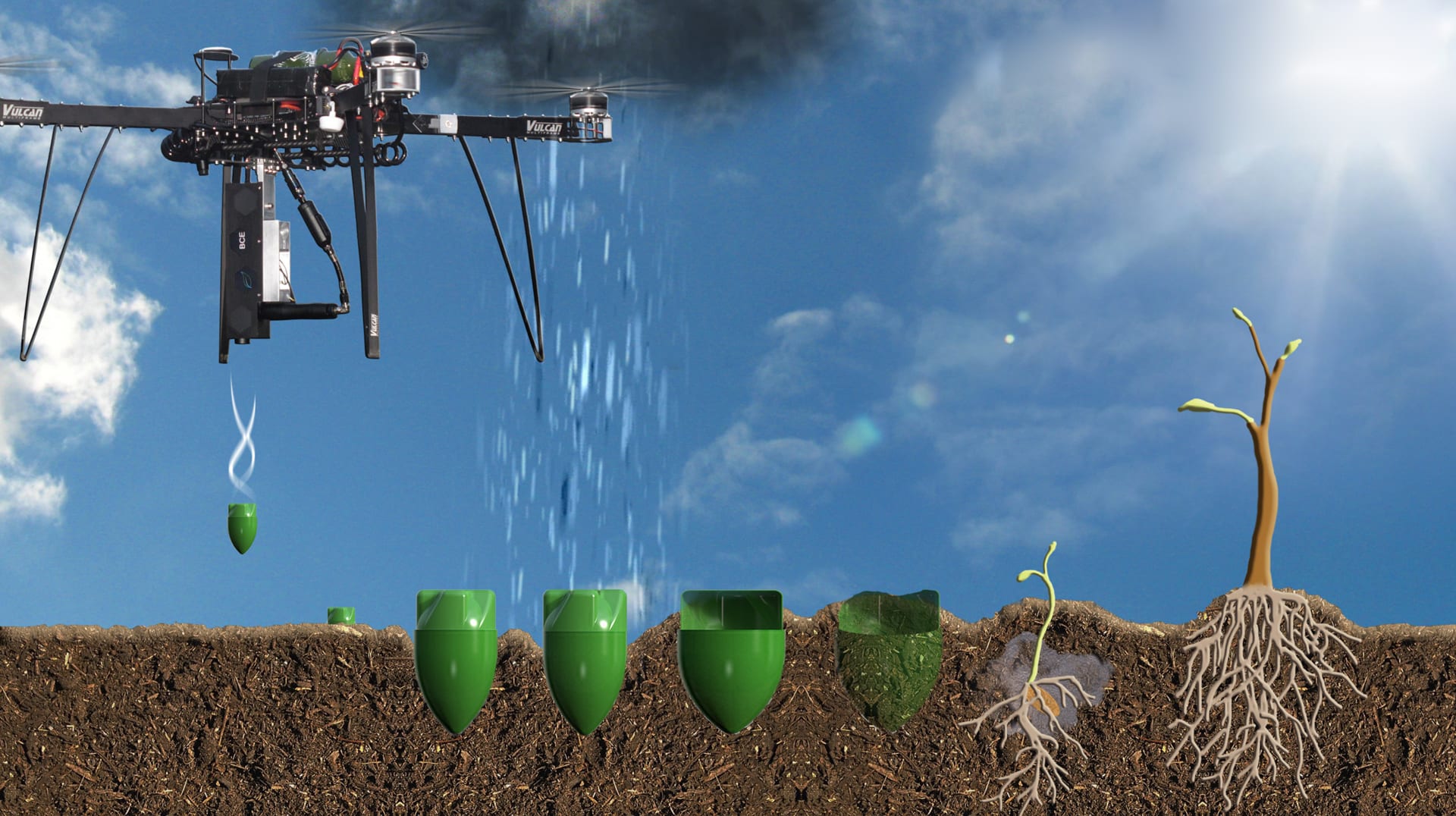
    Agricultural Drones with Tree-Planting Capabilities

    Image: BioCarbon Engineering

    Trees play a crucial role in mitigating climate change by sequestering carbon dioxide and other greenhouse gases, purifying the air and water, restoring depleted soil, supporting biodiversity, and supplying human necessities such as food and shelter.

    However, the World Wildlife Fund reports that we lose the equivalent of 27 soccer fields’ worth of trees per minute, or 18.3 million acres, of forest each year.

    Seeds planted by hand are helpful, but it’s difficult for individuals to keep up with the rate of industrial deforestation.

    This is why scientists and engineers all over the world are developing cutting-edge methods.

    BioCarbon, a company based in the United Kingdom, is employing drones to spread tree seeds across degraded forest land, with the bold promise that they can plant 1 billion trees year. Sankalp Taru a tree planting organisation. Indian company Marut Drones, which pioneered the use of drones in agriculture and the distribution of vaccines, is now employing the technology as part of the government’s Hara Bhara programme to reforest massive swaths of land.

    Planting drones hover six feet above the ground and fire seeds so quickly that they get securely implanted into the soil, a method touted by National Geographic.

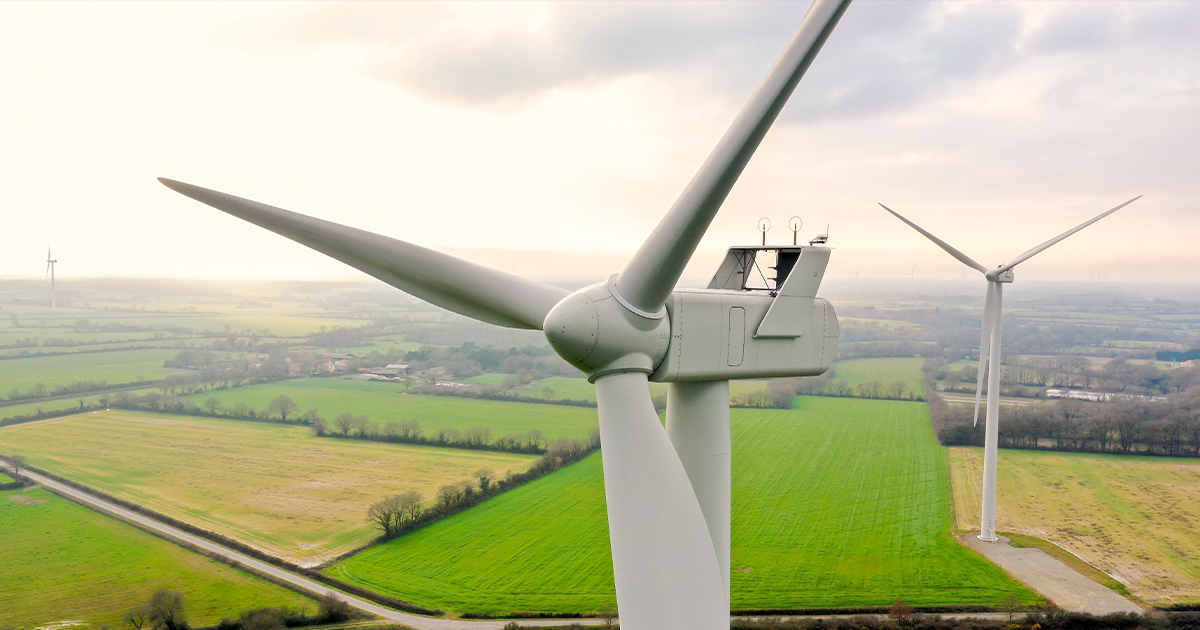
    Massive, ‘Palm Tree’ Wind Farms

    Image: Free think

    Despite its potential, wind energy is rarely put to use.

    A group of scientists even calculated that a wind farm in the Atlantic Ocean the size of Greenland might produce enough energy to supply the world’s needs, so rendering fossil fuels obsolete.

    It’s easy to understand the concept, but putting it into practise is much more challenging.  One team of engineers is making strides in this direction by constructing wind turbines that are twice as enormous as the largest turbines currently in operation. According to the New York Times, the 650-foot-tall blades would respond to the speed and direction of wind by bending like palm tree fronds.

    Satellites that Can Spot Methane Leaks

    Image: Inside Energy

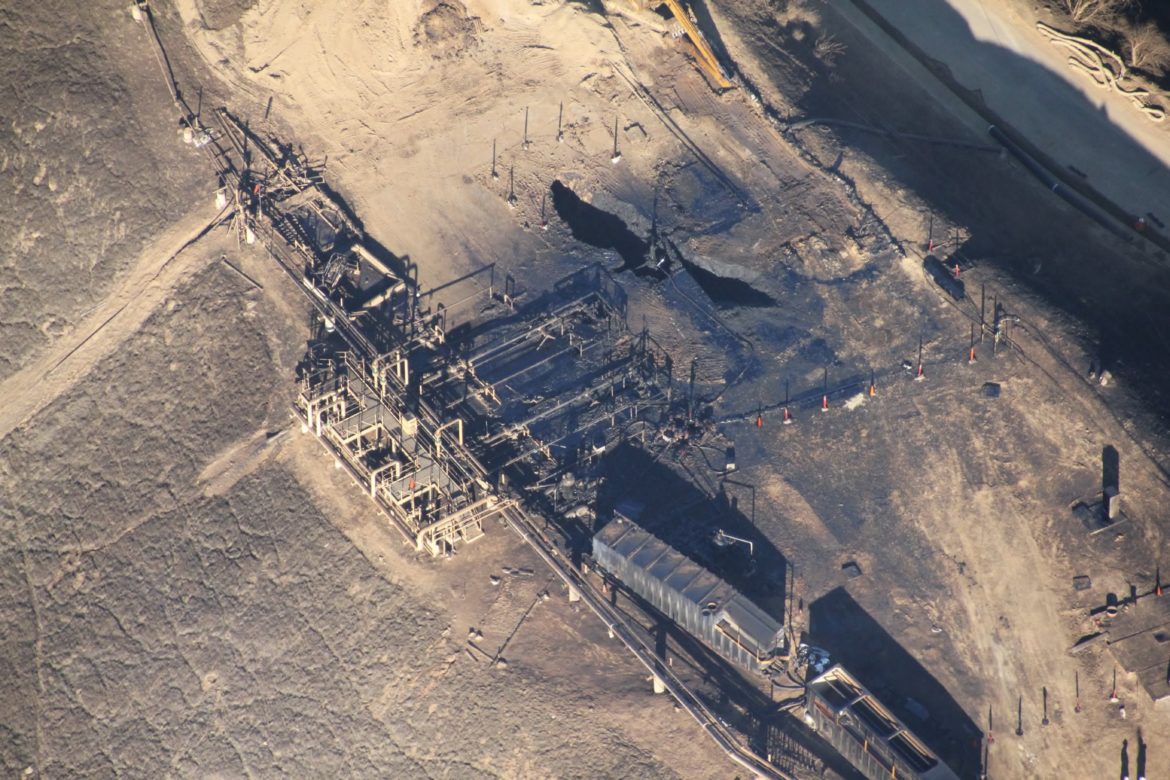
    Fracking and other activities can trigger leaks that, for months at a time, discharge vast volumes of a colourless, odourless gas into the sky.

    The offender is methane, which can be 80 times more efficient at maintaining heat than carbon.

    The New York Times reports that researchers are preparing to launch a satellite that can pinpoint the location and timing of methane leaks. So, the leaks may be fixed as soon as feasible.

    The satellite has the potential to reduce methane emissions from the oil and gas industry by as much as 50 percent.

    Circulating Pumps for Reefs to Reduce Temperature

    Image: Huff post

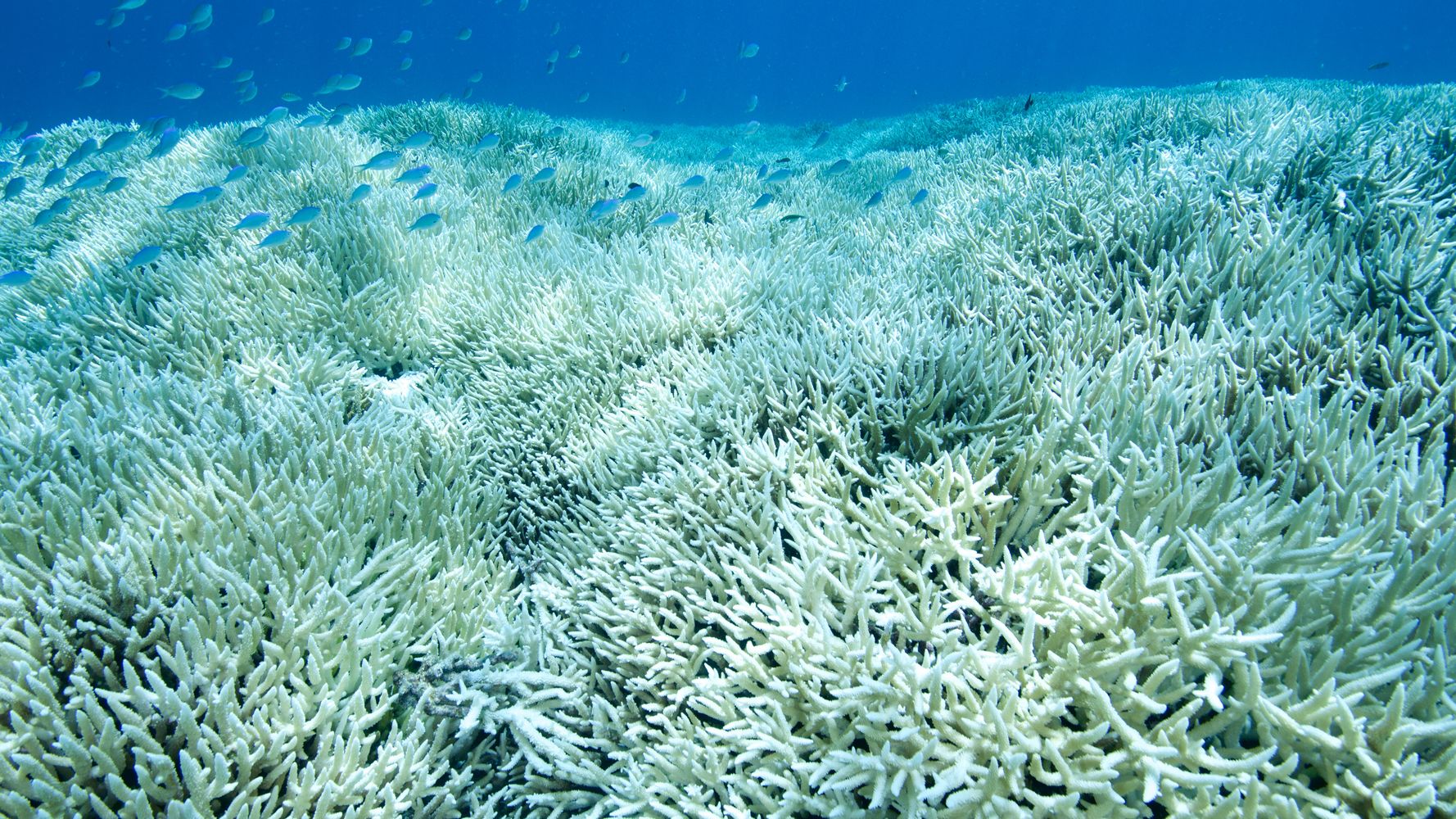
    Increases in temperature of even two or three degrees Celsius pose an existential threat to coral reefs.

    And as the temperature rises around the globe, coral reefs are dying off.

    For example, an engineer by the name of Mo Ehsani is working on a plan to relieve coral by installing an undersea conduit that can pump cold water over reefs, so chilling them off and preventing a phenomenon known as coral bleaching.

    While his proposal won’t stop climate change from becoming an even greater concern, it might help coral reefs around the world hold off further deterioration.

    Plastic Eating Enzymes

    Photo credit: Institute of innovation

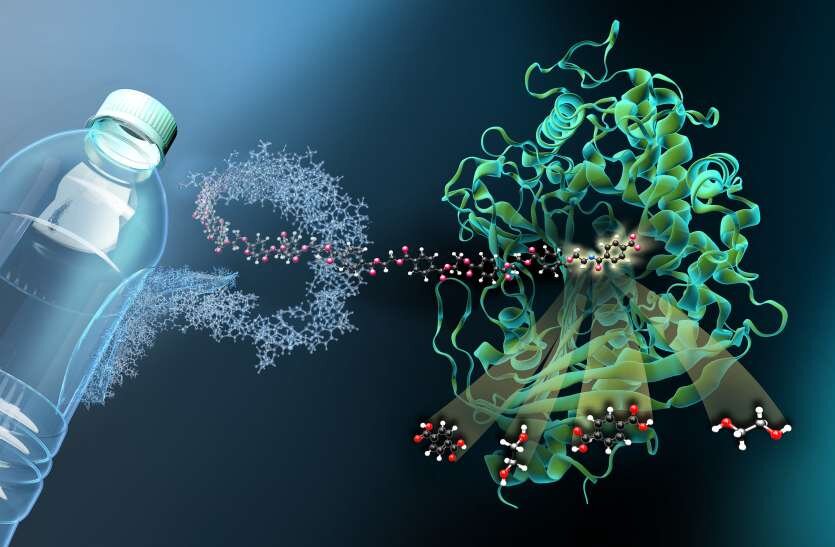
    According to the present rate of production, there will be 12 billion metric tonnes of plastic trash in the world by the year 2050. That’s the weight of a medium automobile, or 1.6 metric tonnes, for every person on Earth.

    There is a serious hazard to human health from the presence of plastic in our food and water supply, and all of this plastic is wreaking havoc on wildlife. Nonetheless, a chance scientific discovery may alter this for the better. A group of Japanese scientists accidentally created an enzyme that can degrade plastic in a few days, a significantly shorter amount of time than the typical hundreds of years it takes for plastic to decay. This “means we won’t need to dig up any more oil and, basically, it should minimise the amount of plastic in the environment,” Professor John McGeehan of the University of Portsmouth, UK, told the Guardian.

    Futuristic Solar Panels

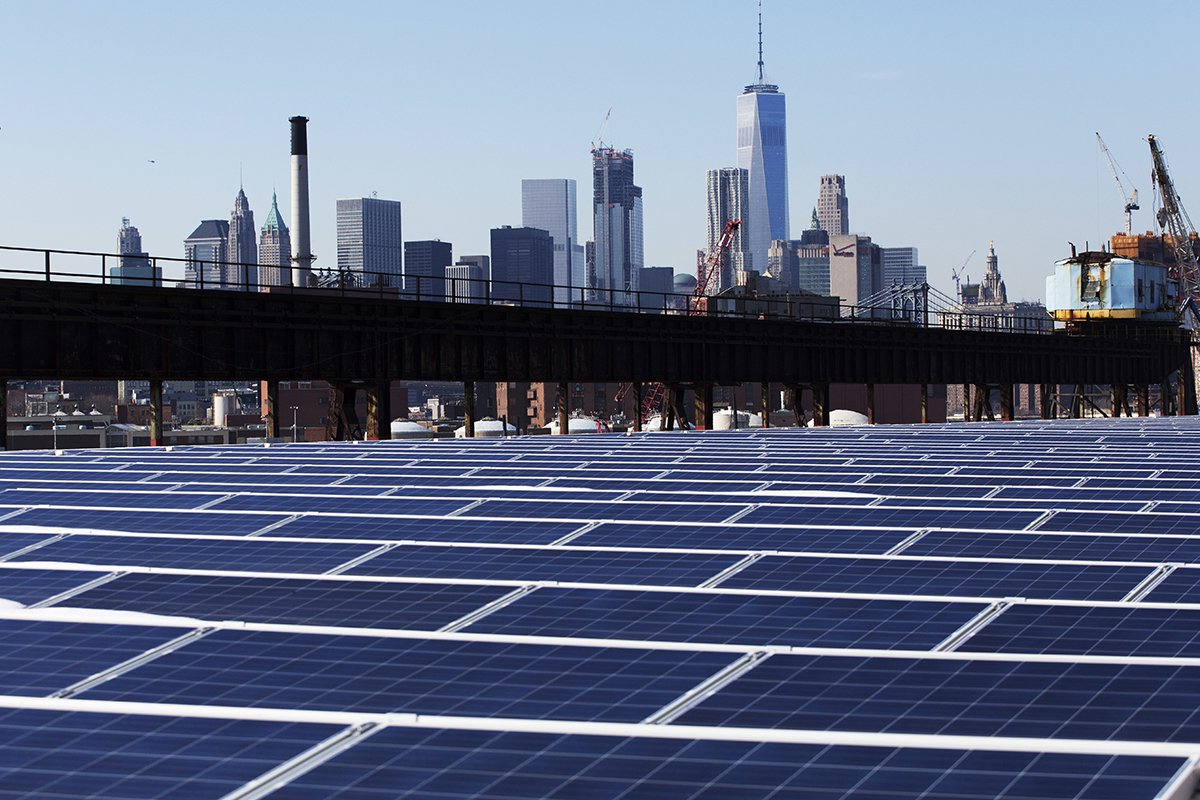
    The Manhattan skyline can be seen in the background of this photograph taken on February 14, 2017, at the Brooklyn Navy Yard in New York City.

    Image:  Mark Lennihan/Associated Press

    Typically, solar panels are placed on the tops of buildings or in expansive fields where they can get an unobstructed amount of sunshine.

    However, researchers are always exploring novel methods of collecting solar power.

    Researchers at Michigan State University think all windows and cell phone screens might start harvesting the sun’s energy soon, and new solar panels created in China can convert rainwater into usable electricity.

    Geo-engineering for solar

    Image: AP Photo/David Goldman, File

    The last four years have been the warmest on record, and if current trends continue, global temperatures might rise by as much as 7.5 degrees Fahrenheit (4.8 degrees Celsius) by the end of the century, leading to catastrophic environmental consequences.

    Researchers at Harvard propose releasing sun-blocking particles into the atmosphere to chill the world and delay the worst effects of climate change if a drastic reduction in global greenhouse gas emissions is not implemented.

    According to Harvard geoengineer David Keith, who talked with Global Citizen, the same particles are spewed into the atmosphere by cars and factories, which may sound like apocalyptic technology.

    According to him, the only viable method to stop climate change is for countries to reduce their emissions, and blocking the sun on purpose could give them that time they need.

    Genetic Modification

    Image: Genetic Literacy Project

    Drought, flooding, and pests will become more likely as a result of climate change, which could eventually wipe out widely consumed crops like corn, coffee, and chocolate. In the meanwhile, genetic engineering has the potential to fortify crops against these disruptions by introducing traits that make them more resistant to things like pests, drought, and saltwater intrusion brought on by rising sea levels.

    Despite widespread scientific agreement that genetically modified organisms (GMOs) are safe for human consumption, the controversy surrounding them has hindered their adoption around the world.

    The Global Goals are a focus of Global Citizen’s advocacy work because they encourage novel approaches to environmental protection. You have the power to resolve this problem.

    Think about this:

    Each additional degree matters now because the world is 1.2 degrees warmer than it was before industrialization. Global warming of 2°C is predicted to increase the frequency and severity of extreme weather events such droughts, floods, wildfires, and storms.

    Despite some progress, COP26 failed to take meaningful climate action last year. U.N. Secretary-General António Guterres warned that “our delicate world is hanging by a thread” during COP26, the United Nations’ most recent conference on climate change. As of now, a climate disaster is still only on the horizon. In the absence of immediate action, our chances of achieving net-zero will be nil.

    Sometimes the future looks bleak. The good news is that everyone of us still has a great deal of power to alter this story’s course. All of us must take action now to address the climate disaster. Any new invention or discovery which make the world a better place  is what we need.Sponsored by: 1xbet