Category: Nuetralising and Harmonising

  • Green Love: 5 Eco-Friendly Valentine’s Day Gifts to Celebrate Sustainability

    Green Love: 5 Eco-Friendly Valentine’s Day Gifts to Celebrate Sustainability

    Valentine’s Day is a celebration of love, but it doesn’t have to come at the expense of our planet. In India, where eco-conscious living is gaining momentum, it’s time to rethink traditional gifts and opt for sustainable alternatives. As we express our affection, let’s also show our commitment to a healthier Earth. Here are five eco-friendly Valentine’s Day gift ideas tailored for an Indian audience:

    1. 1. Buy Local Plants Instead of Roses:
      Gift a touch of nature by opting for locally sourced plants or a bouquet of seasonal flowers. This not only supports local businesses but also reduces the carbon footprint associated with long-distance transportation. A potted plant or locally grown flowers offer a lasting, eco-friendly gesture that can be cherished for months or even years.

    2. 2. Shop from Ethical Brands:
      Choose gifts from ethical and sustainable brands to ensure your present aligns with your values. Explore alternatives to traditional gifts, such as ethically sourced chocolates, vintage or sustainably made jewelry, and eco-friendly wine from vineyards prioritizing ecosystem conservation. By making conscious choices, you contribute to a sustainable and ethical market.

    3. 3. Experiences Over Things:
      Plan a memorable experience for your loved one rather than opting for tangible gifts. A romantic weekend getaway, a cooking class, or tickets to a local event not only create lasting memories but also minimize the environmental impact associated with physical goods. Focus on local experiences to support your community and reduce travel-related emissions.

    4. 4. Gifts for a Sustainable Lifestyle:
      Choose gifts that promote sustainability in everyday life. Choose eco-friendly items like stylish reusable water bottles or sets of reusable shopping bags. Consider gifting subscriptions to services supporting sustainable living, such as monthly deliveries of eco-friendly products, fair trade coffee clubs, or memberships to local Community Supported Agriculture (CSA) programs.

    5. 5. DIY Gifts:
      Embrace your creativity and make something special for your significant other. Handmade gifts, whether personalized photo albums, pieces of art, or crafted items, demonstrate thoughtfulness and effort. This unique approach to gift-giving minimizes the environmental impact associated with mass-produced goods and shipping.

    This Valentine’s Day, let’s make green the color of love and contribute to a healthier planet. By adopting eco-friendly practices, we not only express our love for one another but also show our love for the Earth. To explore more ways to live sustainably, join our community of like-minded individuals on Commons. Together, let’s make every day an opportunity to love and care for our planet.2

  • The Carbon Impact of Food: How Your Diet Affects the Planet

    The Carbon Impact of Food: How Your Diet Affects the Planet


    As we navigate the challenges of climate change and environmental sustainability, it’s crucial to examine the various contributors to greenhouse gas emissions. While industries and transportation have long been in the spotlight, a significant player often overlooked is our very own plate of food. In India, a country known for its diverse culinary landscape, understanding the carbon impact of food is paramount to crafting a more sustainable future.


    Carbon Emissions Across the Food Lifecycle

    Recent studies analyzing the carbon emissions associated with 24 common Indian food items shed light on the complex relationship between diet and environmental impact. The findings revealed that carbon emissions occur at multiple stages of a food product’s lifecycle. Notably, animal-based products like meat and milk, along with rice cultivation, were identified as leading contributors to methane (CH4) emissions. Conversely, crops used for food production were responsible for nitrous oxide (N2O) emissions.

    The carbon emissions themselves encompass a range of activities, including farm operations, production of inputs like fertilizers, transportation, processing, and food preparation. These activities cumulatively release carbon dioxide (CO2) into the atmosphere.


    Comparing Carbon Emissions: A Glimpse into Food’s Footprint

    The analysis extended to comparing the carbon emissions associated with different food items. Surprisingly, the carbon footprint during the lifecycle of cooked rice was found to be 2.8 times greater than that of chapatti, a staple made from wheat flour. However, real revelations emerged when comparing animal-based products with plant-based options.

    In India’s context, mutton took center stage with startling numbers. Mutton was found to emit 11.9 times more greenhouse gases than milk, 12.1 times more than fish, 12.9 times more than rice, and a staggering 36.5 times more than chapatti. These figures underscore the substantial impact of meat consumption on carbon emissions.


    Local Sourcing and Emission Allocation

    Considering India’s penchant for locally produced fresh foods, it’s intriguing to note that a significant chunk of carbon emissions—87%—stem from food production. The subsequent contributors are food preparation (10%), processing (2%), and transportation (1%). This indicates that supporting local agriculture and reducing wastage through conscious consumption habits could play a pivotal role in emission reduction.


    Diet Diversity and Emission Mitigation

    Dietary choices carry immense potential for mitigating carbon emissions. The study outlined how a balanced vegetarian diet could have a substantially lower carbon footprint. For instance, an adult Indian man consuming a balanced vegetarian diet emitted approximately 723.7 grams of CO2-equivalent greenhouse gases per day. In contrast, a non-vegetarian meal with mutton emitted 1.8 times more than a vegetarian meal, 1.5 times more than a non-vegetarian meal with chicken or eggs, and 1.4 times more than a Lacto-vegetarian meal.


    Conclusion: Paving the Path to a Greener Plate

    Understanding the carbon impact of our dietary choices offers a unique opportunity for India to contribute to global emission reduction targets. By embracing plant-based diets, reducing meat consumption, and supporting local produce, we can collectively reduce the carbon footprint of our meals. The power lies in our hands—our forks, to be exact—to drive change, make sustainable choices, and pave the path to a greener, more environmentally conscious India.

  • Want to Save Money on Your Electricity Bill? Try Tracking Your Consumption

    Want to Save Money on Your Electricity Bill? Try Tracking Your Consumption

    Are you tired of high electricity bills and looking for ways to save money?

    One solution may be to start tracking your energy consumption. By understanding how much energy you use and where you use it, you can take steps to reduce your consumption and lower your costs.

    In this blog, we will discuss the benefits of tracking your energy consumption and provide simple and easy to understand examples on how to do it.

    Why is it important to track your energy consumption?

    One of the main benefits of tracking your energy consumption is that it allows you to identify areas where you can reduce your usage and lower your costs. For example, you may discover that you are using a lot of energy during peak hours when the rates are higher. By making simple adjustments, such as turning off lights and appliances during these hours, you can lower your energy costs.

    Another benefit of tracking your energy consumption is that it helps you identify appliances and devices that are using a lot of energy. For example, you may discover that your air conditioner or refrigerator is using a lot of energy. By upgrading to energy-efficient models or using smart power strips to control the power usage, you can lower your energy costs.

    Tracking your energy consumption can also help you identify patterns in your usage. For example, you may find that you use a lot of energy during the evenings when you are home. By making simple adjustments, such as turning off lights and appliances when you are not using them, you can lower your energy costs.

    How can you track your energy consumption?

    One way to track your energy consumption is by using a smart meter. Smart meters are devices that are installed by your energy provider that measure your energy usage in real-time. By using a smart meter, you can see how much energy you are using, when you are using it, and how much it is costing you. With this information, you can take steps to reduce your consumption and lower your costs.

    Another way to track your energy consumption is by using a monitoring device. There are various monitoring devices available on the market that can be plugged into your appliances and devices to track their energy usage. With this information, you can see which appliances and devices are using the most energy and take steps to reduce their usage.

    You can also track your energy consumption by using an energy tracking app on your smartphone. These apps allow you to track your energy usage, see your bills, and monitor your consumption in real-time. Additionally, many of these apps also provide tips on how to reduce your energy consumption and lower your costs.

    To illustrate the above, let’s take an example of a family of 4 living in a 2BHK apartment. By tracking their energy consumption, they found out that their air conditioner was the main energy consumer, they decided to use a programmable thermostat to control the temperature when they were not at home, and also implemented a rule of turning off the air conditioner when they left the house, in a year they managed to save around 20% of their energy bill.

    Another example, a small business owner found out that his lighting systems were consuming more energy than needed, by switching to LED lights and using motion sensors to control the lighting, he managed to save around 30% of his energy bill.

    How reducing energy consumption reduces your carbon footprint?

    Reducing energy consumption can have a direct and significant impact on reducing your carbon footprint. Energy consumption is a major contributor to carbon emissions, and by using less energy, you are reducing the amount of greenhouse gases that are released into the atmosphere.

    When energy is consumed, it typically results in the burning of fossil fuels such as coal, oil, and natural gas. These fuels emit carbon dioxide and other greenhouse gases when they are burned, contributing to climate change. Therefore, by reducing the amount of energy consumed, the amount of these emissions is also reduced.

    Additionally, by reducing energy consumption, you may also be reducing your dependence on fossil fuels, and instead using more renewable energy sources, such as solar, wind or hydro power which are much cleaner and don’t emit any greenhouse gases. Furthermore, by reducing energy consumption, you can also reduce the need for new power plants and the associated infrastructure, which can also have a positive impact on the environment. Overall, reducing energy consumption is an effective way to reduce carbon footprint and help mitigate the effects of climate change.

    In conclusion, tracking your energy consumption can be a great way to save money on your energy bill in India. By understanding how much energy you are using and where you are using it, you can take steps to reduce your consumption and lower your costs. Whether you choose to use a smart meter, monitoring device, or energy tracking app, tracking your energy consumption is easy and can provide significant savings. Not just that, it also reduces your carbon footprint and helps the environment. So start tracking your energy consumption today and see how much you can save!

    Activate Windows 10

  • Why is offsetting necessary to create a better world?

    Why is offsetting necessary to create a better world?

    Carbon, carbon everywhere, are we waiting for the day when there will be no clean air?

    The global effort to reduce emissions of greenhouse gases (GHGs) and mitigate warming and climate change includes measures to reduce carbon dioxide (CO2) emissions. Even if reducing emissions of other greenhouse gases like methane is vital, reducing carbon dioxide emissions is the essential thing that can be done to address climate change.

    Myplan8 is working hard to develop the infrastructure needed to make it easy for individuals to offset their carbon emissions transparent and verifiable. Nonetheless, how efficient are these carbon offsets? In this article, we’ll go into greater detail about carbon offsetting, explaining what it is and how it can help reduce your carbon footprint.

    What is carbon offsetting?

    Carbon offsetting involves compensating a third party for your own greenhouse gas emissions by paying them to remove an equivalent amount of carbon dioxide and other gases from the atmosphere. This is reported in terms of carbon dioxide (CO2e) equivalents because CO2 is the most prevalent greenhouse gas.

    Carbon offsetting can be done for a single action, like taking a flight, or for an organization’s entire set of actions. Carbon credits, which are generated when carbon capture technologies successfully remove CO2 from the air, are the primary tool for offsetting. People and organisations can become carbon neutral if they purchase emission offsets to make up for their own emissions. A carbon credit’s associated carbon must be retired after it is purchased. Retirement of credits implies that the offsets linked with them cannot be counted again, which eliminates the possibility of double counting credits and ensures that emissions reductions are more accurately reflected.

    Compliance carbon market participants must use verified emission reductions (VERs), while voluntary carbon market participants use certified emission reductions (CERs) (CERs). Cap-and-trade systems, which feature their own compliance market, primarily target larger, carbon-intensive businesses and sectors. To avoid exceeding a government-mandated cap on emissions, businesses in this market must purchase carbon offsets.

    It is the companies in the voluntary market that have chosen to offset their carbon emissions in an entirely voluntary manner. The meteoric growth of this industry over the past few years can be directly attributed to investor demand to only invest in companies with strong emissions reductions plans and other favourable ESG (environmental, social, and governance) criteria in place.

    The amount of carbon dioxide (CO2) that has been kept out of the air is commonly quantified in terms of kilogrammes or metric tonnes when discussing carbon offsets.

    Can carbon offsetting help us meet our emission reduction goals?

    Carbon offsetting works if it leads to a net decrease in atmospheric carbon, as would occur if polluting activities in one region were to reduce their carbon emissions. To counteract the emissions, you designate in your purchase, you must use carbon offsets that capture a verifiable amount of carbon.

    Although this is a commendable strategy, it shouldn’t make up all your climate change mitigation efforts. Source reductions are necessary to achieve net-zero emissions, which is preferable to carbon neutrality from an environmental perspective.

    Where Can I Find Some Good Cases of Carbon Offsets?

    Tree planting is a standard method of creating carbon offsets because trees can absorb and store carbon dioxide. Although this is not the only way to counteract carbon output, it is the most popular and effective approach at the moment.

    The most well-known approaches to carbon offsetting involve tree planting and other forms of restorative forestry, but there are other possibilities. Methods currently in use for capturing carbon include direct capture from CO2 emitted by fossil fuels, capture and storage of CO2 and other GHGs that seep out of landfills, and renewable energy projects (or clean energy projects) that create carbon credits. Rather than destroying forests and the carbon they store, a new method of offsetting allows them to remain uncut. The local communities that rely on the forest for their livelihoods benefit from this, and the forest’s biodiversity is preserved.

    How can you tell if offsetting is effectively reducing your carbon footprint?

    If you want to make a severe dent in the amount of carbon pollution you are personally responsible for, offsetting your emissions with a reputable organisation is a must. Most offset programmes can be relied upon, including Terrapass’ offsetting based on personal carbon offset calculations. It will help if you determine which option best suits your needs. High-quality Offsets are more likely to come from programmes that third-party auditors have verified according to the Gold Standard or Verra VCS standards.

    Is It Possible to Neutralize My Carbon Footprint?

    Depending on your lifestyle, where you live, and your level of self-awareness, you may be able to offset your carbon footprint. Because your existence contributes to worldwide indirect (and probably direct) emissions, reaching carbon neutrality without offsetting your footprint is exceedingly tricky. CO2 is produced and released whenever an elevator is used in a high-rise building, or a meal is cooked on the street. Knowing how much carbon your lifestyle generates and how much you can offset is essential for reaching net-zero emissions.

    The less pollution you produce, the less effort will be needed to counteract it. The larger your carbon footprint, the more offsets you’ll need to compensate for your increased emissions.

    Myplan8’s new app will be able to provide some of the best and easy offsetting projects for you neutralise your impact on the planet.

    Think about this:

    If we plant enough trees, We can offset our carbon dioxide emissions.

    There are many variables that affect how many trees are needed to offset the effects of a ton of carbon footprint, such as the type of tree planted, the conditions in which it grows, the age of the tree, and so on. Myplan8’s data shows that you can offset 1 ton (i.e, 1,000 kgs) of your annual carbon emission by planting approximately 73 trees (i.e palm tree, 1361 kg, offset in 100 years, as we said the number will vary with the type of native tree). With the new Myplan8 app, you’ll be able to figure out exactly how much carbon you’re emitting and find an offsetting project to help you nuetralise it out.

  • Understand Sustainability Development Global Goals

    Understand Sustainability Development Global Goals

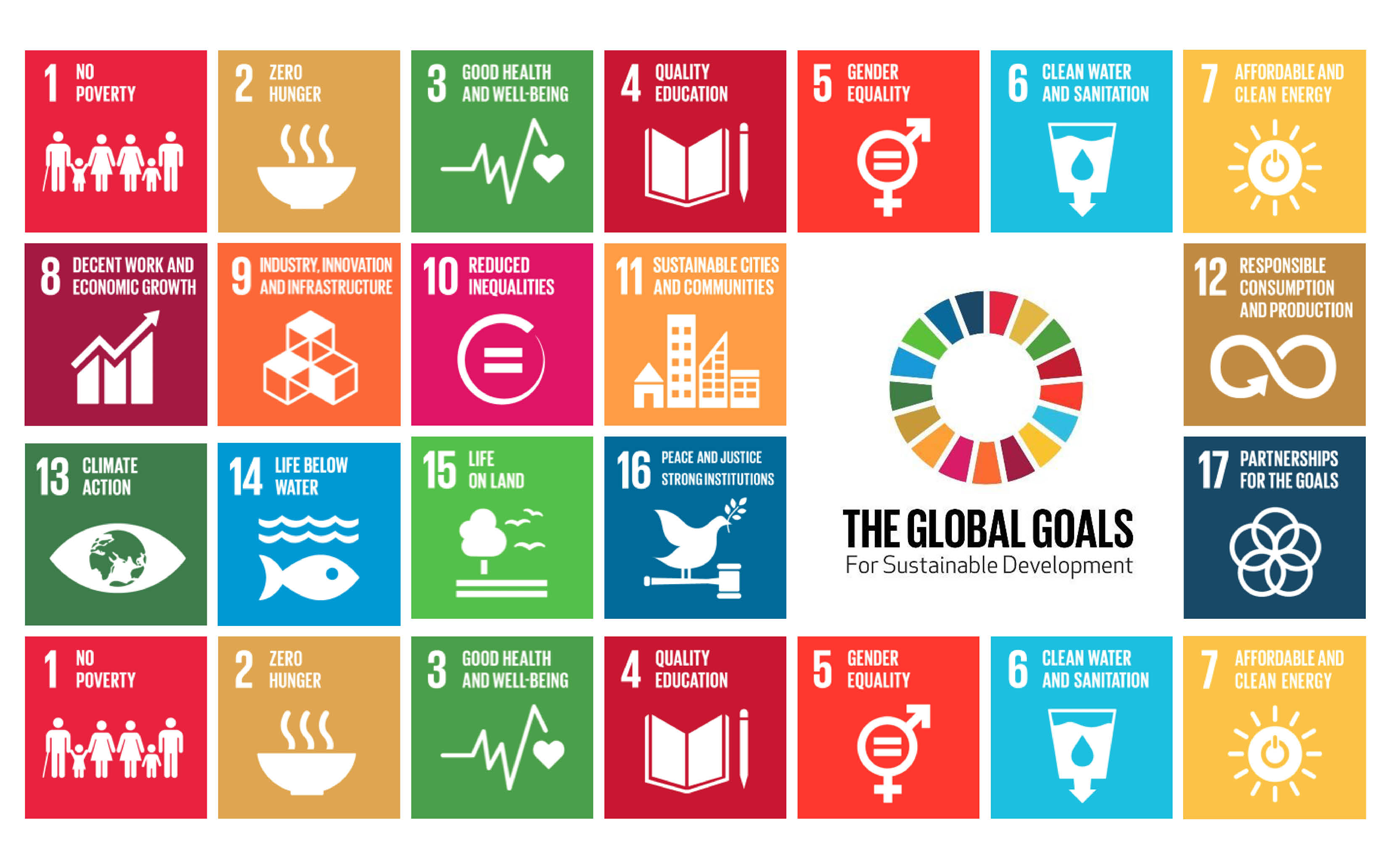
    By endorsing the 2030 Agenda for Sustainable Development in 2015, all member states of the United Nations agreed on a joint plan of action to bring about global sustainability in the form of lasting peace and prosperity. The 17 Sustainable Development Goals (SDGs) are at the heart of this global partnership, and they represent an urgent call to action from all countries, developed and developing. They see the connection between bettering health and education, reducing inequality, boosting economic growth, halting and reversing climate change, and protecting the world’s oceans and forests.

    For many years, UN member states and the UN’s Department of Economic and Social Affairs worked together to develop the SDGs.

    At the Earth Summit in June 1992 in Rio de Janeiro, Brazil, more than 178 countries endorsed Agenda 21. The goal of this strategy was to form a global alliance for sustainable development that would help people everywhere and keep the planet healthy at the same time.

    At the Millennium Summit, held in September 2000 at the United Nations Headquarters in New York, the member states unanimously voted to accept the Millennium Declaration. Eight Millennium Development Goals (MDGs) were established as a result of the summit to end global poverty by 2015.

    The Johannesburg Declaration on Sustainable Development and the Plan of Implementation was adopted at the 2002 World Summit on Sustainable Development in South Africa. These documents reaffirmed the global community’s commitment to ending poverty and protecting the environment, expanded on Agenda 21 and the Millennium Declaration, and emphasised multilateral partnerships.

    At the United Nations Conference on Sustainable Development (Rio+20) in June 2012, in Rio de Janeiro, Brazil, the Member States of the United Nations adopted the outcome document “The Future We Want.” In this document, the United Nations High-level Political Forum on Sustainable Development was established, and work on a new set of Sustainable Development Goals (SDGs) to succeed the Millennium Development Goals (MDGs) was initiated. Mandates for future programmes of work in development financing, small island developing states, and more were included in the Rio +20 conclusion as other measures to implement sustainable development.

    The UN General Assembly established the Open Working Group in 2013 to draft a SDG proposal. As a whole, there are 30 people in this group.

    In January 2015, the UN General Assembly began debating and negotiating the post-2015 development agenda. The 17 SDGs were adopted as the basis of the 2030 Agenda for Sustainable Development at the United Nations Sustainable Development Summit in September 2015.

    The 2030 Agenda for Sustainable Development’s 17 Sustainable Development Goals (SDGs) were approved at the UN Sustainable Development Summit in New York City in September 2015.

    Substantive support and capacity-building for the SDGs and related thematic issues like water, energy, climate, oceans, urbanisation, transport, science and technology, the Global Sustainable Development Report (GSDR), partnerships, and Small Island Developing States are currently provided by the United Nations Department of Economic and Social Affairs Division for Sustainable Development Goals (DSDG). Advocacy and communication for the SDGs and a review of the 2030 Agenda’s implementation across the United Nations system are the main focuses of DSDG’s work. Widespread support for the SDGs expressed as a firm commitment to implement them by all relevant parties, is necessary to turn the 2030 Agenda into a reality. In this way, DSDG intends to facilitate the establishment of such links.

    (Image Source: Un.org)

    India on SDGs

    A large portion of India’s National Development Agenda is reflected in the Sustainable Development Goals, which were developed in large part with input from India (SDGs). India’s progress toward the SDGs is crucial to the world’s success in achieving them. The SDGs aim to improve people’s lives by the year 2030, but with 17 goals, 169 targets, and 306 national indicators, they can be complicated to follow and evaluate.

    NITI Aayog has shown the way for other countries by publishing the SDG India Index – Baseline Report 2018, which details how India plans to evaluate progress toward the SDGs. The NITI Aayog has published the Sustainable Development Goals (SDG) India Index Baseline Report, which details the efforts of the Indian federal and state governments to date in achieving the 2030 SDG goals.

    The SDG India Index has been developed by NITI Aayog, and it measures progress toward 13 of the 17 SDGs (leaving out Goals 12, 13, 14 and 17). All of India’s states and union territories are measured on 62 national indicators that reflect the success or failure of government programmes and initiatives. The Sustainable Development Goals (SDG) India Index is meant to give a complete picture of the country and its States and UTs in terms of their social, economic, and environmental well-being.

    It is important to have a unified metric that can be used by policymakers, businesses, civil society organisations, and the general public, and the SDG India Index fits that bill. It was created to aid in the evaluation of the social, economic, and environmental impacts of India’s various state and union territory governments and to provide a comprehensive assessment of the performance of all such governments. Its purpose is to track India’s and its states’ efforts to achieve the 2030 Sustainable Development Goals.

    You can learn about data points for each sustainability goal also on our YouTube Channel Playlist ‘Understanding Sustainability Development Goal.’

    Think about this:

    According to a new report from March 2022, India has fallen from 117th to 120th place on the 17 Sustainable Development Goals adopted as part of the 2030 agenda by 192 UN member states in 2015. India is now ranked lower than every other south Asian country except Pakistan (currently ranked 129) Among the South Asian nations, Bhutan ranks 75th, Sri Lanka 87th, Nepal 96th, and Bangladesh 109th. Overall, India scored 66 out of a possible 100 points on the Sustainable Development Goals (SDG).


  • 5 simple practices which can build a more sustainable future

    5 simple practices which can build a more sustainable future

    Sustainability is the noblest concept to emerge in modern times, to preserve Earth for future generations. There’s a common notion that eco-friendly living necessitates eschewing all comforts. Simple actions can have a significant impact.

    Sustainability may be implemented in every element and help minimise carbon footprint by agreeing to the healthy decision for the world, including how to get to work, where to shop, what to eat, and which products to use to keep home and surroundings clean. 

    Here are five sustainable lifestyle practices to get you started.

    It’s important to practise the 3Rs.

    The transition to a more sustainable way of living is exciting and challenging at the same time. Reducing, reusing, and recycling (the “3Rs”) may sound like an adage, but they’re crucial to making the planet a better place to live.

    Everything about a product impacts the environment, from the raw materials to the production process to the pollution produced to the waste packaging that eventually ends up in a landfill. As a result, it is wise to know and assess the requirement for something before purchasing it. If you answered yes, you should buy all-natural, handmade products with minimal packaging.

    Reduce or do away with plastic consumption

    Everyone is aware of plastics’ destructive effects on the natural world. Most of it is destined for dumps or the ocean, where it may do severe damage to species and ecosystems. Many marine mammals, birds, and reptiles are killed yearly after becoming entangled in fishing nets or breathing in the plastic particles floating in the water. Eliminating plastic and replacing it with reusable and environmentally friendly alternatives is the most pleasing thing we can do for the planet.

    You may help reduce plastic waste by switching to reusable bags, never using plastic straws or water bottles again, and not buying anything manufactured or packaged in plastic.

    Eat more natural and organic products.

    Choosing organic and natural foods is healthy for the planet and the health of your loved ones. Helping the organic and natural food sectors thrive also requires providing workers in the industry with decent wages and other benefits. When you can afford it, choose organic produce; doing so reduces the use of toxic pesticides and safeguards the health of farm workers, wild animals, and your own family.

    Wear sustainable clothing and accessories.

    When it comes to environmental impact, the fashion industry consistently ranks high. As a result, the handloom and the handcrafted sector have been growing slower than the fashion sector. The artisan community can benefit from a stable income source while providing a product with a longer lifespan and lower environmental impact.

    Major clothing companies have gradually become more aware of the issue and adopted environmentally friendly production methods such as low-impact dyeing, upcycling natural materials, and producing organic pesticide-free cotton. Also, several new platforms have emerged offering organic garments to encourage sustainable living. It’s time for everyone to luxuriate in at least five handcrafted, natural clothing every year and embrace sustainable living.

    Reduce your carbon footprint by greening your abode

    A greener world involves minimising carbon footprint, and the better location, to begin with, is home. Your home’s energy efficiency will increase if you maintain it regularly and ensure proper insulation, emphasising energy-saving windows and energy-saving light bulbs for more efficient illumination.

    Several little things may be done to make a home more environmentally friendly, such as limiting power use and using natural light. Some additional strategies can be to buy products composed of natural elements like bamboo that have a longer shelf life, look lovely, and are cost-effective. The aim is to reduce landfill garbage, clean the air, and preserve the natural landscape.

    You may track every part of your carbon footprint with ‘Activity Explorer’ feature on the new Myplan8 app (launching soon) and get advice to reduce your carbon emission to achieve a sustainable living.

    Think about this:

    Every minute, one garbage truck’s worth of plastic enters the ocean. Marine litter and plastic pollution threaten aquatic life, human health, and the economy. Single-use plastics are made using fossil fuels, therefore they release carbon dioxide and other greenhouse gases. The extraction and delivery of fossil fuels to plastic factories releases 12.5 to 1.5 million metric tons of greenhouse emissions. Plastic production and incineration are estimated to generate 850 million metric tons of greenhouse gases in 2019, according to the CIEL. By 2050, this could reach 2.8 Gigatons of CO2, or 615 coal plants.

    Over 25,000 tons of plastic garbage are produced every day in India, yet only 40% is collected. You may prevent all this by using the “3 Rs” (Reduce, Reuse, and Recycle).