Category: For the GreenerNxt

  • How Does Bhutan’s Carbon Neutrality Offer Lessons for India’s Sustainability Journey?

    How Does Bhutan’s Carbon Neutrality Offer Lessons for India’s Sustainability Journey?


    India and Bhutan, neighbouring nations with diverse landscapes and economies, have taken distinct paths in addressing their carbon footprints. While both countries are among the world’s fastest-growing economies, Bhutan’s remarkable success in achieving carbon neutrality has emerged as an inspiring model for India’s ambitious emissions reduction goals. With its population just exceeding 700,000, Bhutan has charted a course toward becoming carbon negative by 2020—a target it is well on its way to accomplishing.

    Bhutan’s Achievement: A Beacon of Sustainable Progress

    The journey to carbon neutrality for Bhutan has been guided by a commitment to sustainability across various sectors. The country has harnessed wind and solar power, enhanced waste management practices, and heavily invested in transportation and energy infrastructure. These efforts collectively culminate in Bhutan’s ability to curtail CO2 emissions and inspire India’s pursuit of a greener, more sustainable future.

    Learning from Bhutan’s Success: Lessons for India

    Resource Management and Efficiency: Bhutan’s prudent resource management philosophy emphasizes efficient utilization to reduce reliance on imports. By optimizing resource use, the country minimizes the need for additional imports, promoting self-sufficiency and reducing the carbon footprint.

    Renewable Energy Transition: Bhutan’s focus on renewable energy, particularly wind and solar power, underscores the potential of clean energy in emissions reduction. India can similarly harness its abundant solar resources to make significant strides in sustainable energy generation.

    Localizing Clean Energy: Bhutan’s high latitude and sunny climate make it conducive for solar installations. This approach has significantly contributed to lowering emissions. India can replicate this success by capitalizing on regional variations in solar potential to bolster its renewable energy capacity.

    Sustainable Agriculture: Bhutan’s agriculture employs practices like green manuring and crop rotation, aiding carbon sequestration in soil. India’s agriculture sector can adopt such eco-friendly methods to reduce emissions and enhance soil health.

    Legislative Commitment: Bhutan’s legislation mandating a 50% reduction in greenhouse gas emissions by 2020 showcases the power of policy-driven change. Implementing similar regulations could be instrumental for India in achieving its emission reduction targets.

    Two-Pronged Approach: Bhutan’s approach of simultaneously reducing deforestation and increasing energy efficiency has yielded significant results. India can implement similar strategies to address multiple aspects of its carbon footprint.

    Natural Farming Practices: Bhutan’s reliance on natural agricultural techniques, such as symbiotic planting and crop rotation, exemplifies how sustainable farming can mitigate emissions and promote soil health.

    Embrace Renewable Energy: Bhutan’s embrace of renewable energy sources like solar and wind power has fueled its progress toward carbon neutrality. India’s pursuit of renewable energy infrastructure can significantly curtail CO2 emissions.

    Deforestation Ban: Bhutan’s complete ban on deforestation showcases the country’s commitment to preserving its natural resources. India can draw inspiration from this policy to safeguard its diverse ecosystems.

    Ambitious Targets: Bhutan’s ambitious emission reduction goals underscore its determination to lead by example. India can set equally ambitious targets to stimulate meaningful change.

    Conclusion: Pathways to a Shared Green Future

    Bhutan’s journey to carbon neutrality resonates as a valuable lesson for India—a testament to the transformative power of sustainability and environmental stewardship. By adopting Bhutan’s strategies, from renewable energy to sustainable agriculture, India can forge a path toward a more sustainable future. As both countries strive to balance economic growth with ecological responsibility, the Bhutanese model offers a guiding light, reminding us that ambitious goals are attainable through conscious efforts and collective commitment.


  • Budget 2023 Prioritises Green Growth

    Budget 2023 Prioritises Green Growth

    The Green Growth initiative of Priority 5 promotes sustainable lifestyles in India, while the Aam Aadmi anticipates being able to keep more of the money they have worked so hard to achieve as a result of an increase in the income tax band to seven lakhs.

    Nirmala Sitharaman, Finance Minister of India, nicknamed the spending plan an “Amrit Kaal budget” because of all the new programmes that it finances intending to establish a nation that is both progressive and environmentally stable.

    These measures, if carried out as planned, hold great promise for establishing India as a global leader in sustainable development and environmental protection with a focus on achieving “net zero,” which is something that the West has been unable to do. If carried out as planned, these measures hold great promise for establishing India as an international leader in sustainable development and environmental protection.

    There was an explicit discussion of ten of the seventeen Sustainable Development Goals (SDGs) in the budget, with a focus on health, education, inequality reduction, urban sustainability, consumer responsibility, and climate action.

    Something like the LGB, lab-grown diamonds that lessen the need for mining and the depletion of natural resources, or the establishment of three centres of excellence for artificial intelligence at preeminent universities. All of these innovations could help reduce the need for mining and the depletion of natural resources. It has been suggested that the government provide funding for a research and development grant at one of the IITs to increase the domestic production of lab-grown diamonds. This would be done to lower the amount of lab-grown diamonds that are brought into the country as imports and support a reduction in the amount of customs duty placed on lab-grown diamonds.

    The government intends to produce 5 metric tonnes (MT) of green hydrogen by the year 2030, investments of 35,000 cr in priority capital towards energy transition and net zero objectives, and encourage the installation of 4,000 megawatt-hours (MWh) of battery energy storage. All of these goals will be accomplished by the year 2030.

    Myplan8 is excited bout the announcement of the Green credit scheme, which will be announced under the Environment Protection Act, is quite exciting since it marks a big push for the Mission Lifestyle For the Environment(LiFE). A green credit scheme is going to be introduced very soon to encourage companies and individuals to engage in activities that are better for the environment.

    Putting in place the Gowardhan Scheme to encourage a circular economy with a total investment of 10,000 cr, planting mangroves along the coast as part of the new MISHTI scheme to promote conservation values through a scheme to encourage optimal use of wetlands, and allotting adequate funds for scrapping old polluting vehicles owned by the government are all examples of the emphasis placed on taking action through the modification of one’s lifestyle.

    Budgetary incentives were provided to states and union territories (UTs) to switch to alternative fertilisers and provided to one crore farmers to go to natural farming even solving soil contamination and arable land issues. If the government under Modi wishes to promote the Amrit Kaal, they may find that this helps them accomplish so.


  • 6 Companies working towards the ‘Carbon-free Economy’ for the future

    6 Companies working towards the ‘Carbon-free Economy’ for the future

    More and more of the world’s largest corporations are taking action to combat climate change and provide the groundwork for future net-zero carbon economies. They are making the most of the opportunity to accelerate innovation, strengthen competitiveness, enhance risk management, and accelerate growth.

    Below are a few examples of companies that have set ambitious targets for reducing their environmental impact. 

    Unilever only operates on sustainable energy sources throughout all five continents.

    One of the largest fast-moving consumer goods firms in the world, Unilever, which provides products to approximately 2.5 billion people every day, reported in September, 2019 that it had achieved substantial progress toward its targets for using renewable energy.

    The company’s operations are powered entirely by renewable grid electricity on all five continents. Not only does this demonstrate progress toward its objective of using 100% renewable electricity with RE100, but it also demonstrates progress toward its ultimate aim of being carbon positive by 2030.

    Unilever has funded energy-efficiency initiatives to achieve this. This has led to a 28% decrease in overall energy consumption and a 50% reduction in carbon emissions per tonne since 2008. The declaration came just days before Unilever joins other business and government leaders at the UN Secretary General’s Climate Action Summit held in September of 2019, to discuss the critical need to keep the average global temperature rise below 1.5°C, marking the official start of Climate Week NYC, 2019

    The corporation is attempting to hasten the transition to electric vehicles through EV100 and other initiatives.

    Mahindra: Making progress toward ambitious objectives

    Anand Mahindra, chairman of the Mahindra Group, issued a call to action for companies worldwide to commit to a science-based emission reduction objective at the start of 2018. (SBT).

    He followed up on his rousing call to action by saying he would establish SBTs for each company in the $20.7 billion Indian conglomerate and work toward making the entire group carbon-neutral by 2040. Twenty member firms have committed to using SBTs as part of the group’s Science Based Targets project.

    The two Mahindra enterprises responsible for the most greenhouse gas emissions, Tech Mahindra and Mahindra Sanyo Special Steel, were the pioneers in committing to and obtaining approval for SBTs, with Sanyo Steel becoming the first steel manufacturer in the world to do so.

    The team is making headway in its mission. Company-wide emissions decreased by 14% over the fiscal year 2017-18, totalling 618,439 t CO2 across direct, indirect, and value chain emissions (Scopes 1, 2, and 3). The $419 million in annual revenue generated by the company’s “green” companies demonstrates that addressing climate change does not have to compromise profit margins.

    IKEA: Quickening the Pace of Climate Change

    IKEA’s parent company, INGKA Group, is making more strides toward achieving a climate-positive value chain by 2030, even as the IKEA brand continues to expand. This involves achieving its scientific goals, such as moving to 100% renewable electricity by 2025 (RE100) and 100% zero-emission home delivery by 2030 (EV100).

    IKEA is making progress toward its aim in the area of renewable energy. IKEA sourced 81% of the energy it consumed throughout its 2018 fiscal year from renewable resources. In 2021 IKEA announced a new programme in India, Poland and China that supports nearly 1,600 direct suppliers to switch to 100 per cent renewable electricity.

    In 2019, only one year after it was first stated, the target was met in Shanghai. Recently, IKEA stores in India, China, Australia, and France have all begun using electric vehicles.

    Levi’s: Ahead of schedule

    The first of Levi Strauss & Co.’s goals was to reduce emissions by 25 per cent by 2020, and the company has already accomplished this. In light of these gains, the firm has committed to cutting GHG emissions by 90% inside its operations and 40% throughout its worldwide supplier chain by 2025. Also, they’re committed to making the change to renewable energy.

    Company employees are working to ensure that all of the company’s electricity comes from renewable sources by cutting energy waste, installing solar panels at locations around the world, purchasing green utility products in Europe, entering into power purchase agreements (PPAs) in the United States, and purchasing renewable energy certificates (RECs) in various countries.

    An interesting data: by the end of 2017, Levi’s had helped six of its suppliers in Bangladesh, India, Sri Lanka, and Vietnam reduce their greenhouse gas emissions by 13% and their energy use by 22%. These initiatives saved manufacturers over a million dollars in operational costs while reducing their carbon footprints. GlobeScan is doing a market study in 2021 and Levi’s is taking part in it in Brazil, China, France, India, South Africa, the United Kingdom, and the United States. The study’s goal is to learn how individuals place a monetary value on nature, and its outcomes will shed light on regional perspectives on nature and the role of corporations in its protection. In the long run, it hopes to apply what it has learned to get people invested in helping to protect biodiversity.

    Maersk: Revolutionizing the Shipping Industry

    The world’s largest shipping container firm, Maersk, has challenged its competitors and suppliers by committing to carbon neutrality by 2040. It supports this lofty objective by focusing on the ships and fuels important to international shipping. 

    In order to meet this goal, Maersk Ocean has established a policy of only buying newly built vessels that can be operated on green fuels, and has pledged to reduce emissions per transported container in its fleet by 50% by 2020. By modifying the dimensions of the hull and the ship’s motion, Maersk has created dishes that are 15 per cent more efficient than standard vessels.

    Since 2007, Maersk has reduced its CO2 emissions per container by 46%, which is 9% greater than the industry average.

    Rolls-Royce’s Vision for a Carbon-Free Future

    Rolls-Royce is applying its superior engineering prowess and extensive hybrid and electric power background to the world’s most pressing technological issue. The corporation is at the forefront of the movement to electrify aviation, and its inventions in the rail, marine, and power sectors have set the standard for the industry.

    Rolls-Royce wants to drastically cut down its greenhouse gas (GHG) emissions from its activities and facilities by 2030. Rolls-Royce has reduced its greenhouse gas emissions by 21% since 2014, its energy use by 20% and its rubbish output by 67%.

    However, because of Rolls- Royce’s contribution to the field, commercial flights are 40% more efficient than the first generation of gas turbine aero engines. Both the Trent XWB, which propels the Airbus A35, and the new Pearl 15 engine for business aircraft include ultra-low emissions combustion systems, resulting in a 7% increase in fuel efficiency and the best NOx emissions in their respective categories.

    Zero-sum cloud computing, courtesy of Salesforce

    Salesforce.com, Inc., an American cloud-based software corporation with a market cap of over $122 billion, ranked second on Barron’s 2018 list of the 100 Most Sustainable Companies. Through emission reductions and offsetting, the company achieved its objective of net-zero emissions in 2018.

    The corporation has also committed to obtaining all of its electricity needs for its global operations from renewable sources by 2022 through RE100. It has also committed to only owning and working in buildings with net-zero carbon emissions by 2030 as part of the EP100 initiative’s Net Zero Carbon Buildings roadmap.

    For its part, Salesforce is helping its top suppliers—responsible for half of its total emissions from suppliers—establish their reduction targets for 2025.

    These companies are merely the tip of the iceberg of those hastening the transition to a carbon-free economy. More than a thousand corporations have committed to making significant efforts to combat climate change.

    Think about this:

    Annually, India generates 2.88 Gt of CO2 through its activities.

    141 crores, or nearly 493 million people, out of India’s total population of 142 crores live in urban regions (about 35 percent of the total).

    The average urban Indian generates 1.32 tons of carbon dioxide over the course of a year.

    The 493 million people who live in metropolitan areas in India are responsible for the production of 650 million tons (about 22 percent of the total) of CO2. 

  • 3 Climate Megatrends that can help a more sustainable future

    3 Climate Megatrends that can help a more sustainable future

    One component of sustainability management is the decrease of emissions which can be achieved by an increase in the overall efficiency of the process.

    It’s possible to make the case that sustainability has been a big megatrend for a considerable amount of time, and if you did, you’d be right. In addition, you could argue that achieving sustainability as a strategic aim has been at the forefront of the priorities of many businesses for some time now, and you’d be right to do so.

    Why bother worrying about environmental issues in 2022 if you can disregard them? To begin, sustainability is an urgent issue for humanity on a global scale, and second, very few businesses have taken advantage of the many opportunities given by sustainable practices. These are two of the primary reasons why sustainable practices are becoming increasingly important. Forecasts are frequently subject to a considerable amount of subjectivity, and the application of trends varies considerably among industries. However, in multiple recent interactions I’ve had with experts in innovation, sustainability, and digitisation, the following three issues have emerged as significant trends in sustainability for the year 2022.

    1) Sustainability Innovations

    In recent years, globally and in India many companies have either initiated brand-new long-term sustainability programmes or refocused existing ones. Although this is a step in the right direction, most companies are still focusing their sustainability efforts on short-term goals, such as creasing productivity and streamlining operations to reduce waste, rather than concentrating on long-term goals, such as reducing emissions. This is a positive step in the right direction.

    This path toward better sustainability can significantly benefit many different kinds of enterprises. However, even though there are multiple other substantial chances for innovation in sustainable practices, these opportunities are being ignored in favour of a more narrow focus on efficiency. To fully embrace the financial prospects of sustainability management, businesses may need to make significant adjustments to their products, services, business models, and management approaches. This goes above and beyond simply improving their internal procedures and because of this, putting even more effort into developing environmentally friendly technologies in 2022 is necessary.

    2) Digital Sustainability

    The digitalisation process is the second megatrend that continues to be at the forefront of the strategic ambitions of many businesses. Surprisingly, however, the convergence of digitalisation and sustainability has thus far garnered a negligible amount of attention from the vast majority of companies.

    However, this will only go so far since, in 2022, many organisations will start focusing on digital sustainability in addition to analogue sustainability. This will limit the effectiveness of this strategy. This phenomenon is called “digital sustainability” or “digitainability.” In a recent article by  Ulrich Lichtenthaler for the Journal of Innovation Management titled “Digitainability: The Combined Effects of the Megatrends Digitalization and Sustainability,” He discussed the various positive and negative synergies that can result from concentrating on both of these topics at the same time. The piece’s author, which can be read in its whole and at no cost, contends that 2022 should be a priority year due to the importance of digital sustainability.

    3) Positive Sustainability.

    The management of sustainability encompasses more than only the reduction of emissions. Many businesses’ sustainability efforts are geared toward attaining “no net loss,” but even preventing damage might not be enough in the long run.

    However, for enterprises to have a “net positive impact,” they can no longer just focus on reducing their operations’ adverse effects on the environment. The term “sustainability” is perceived as the reference to the concept of positive sustainability. This concept is centred on the integration of preventing harm while simultaneously making the situation better. In conclusion, I believe that one of the most critical sustainability trends that will emerge in 2022 is an increase in environmentally conscious behaviour.

    Many new and established businesses perceive the idea of sustainability more as an opportunity than a danger. This is true for both types of companies. In this post-pandemic period, sustainability is not only a megatrend but also a field with a significant amount of untapped potential. Instead, it will act as the primary focus of many enterprises and represent the most significant opportunity for these businesses. When considering sustainability, it is critical to consider a broader range of issues than simply finding ways to cut emissions by improving how things are now done. The innovations in sustainability, digital sustainability, and the excellent sustainability trends of 2022 and beyond should be actively pursued by us, and we should not merely keep an eye on them.

    Think about this:

    Many new and established businesses perceive the idea of sustainability more as an opportunity than a danger. This is true for both types of companies. In this post-pandemic period, sustainability is not only a megatrend but also a field with a significant amount of untapped potential. Instead, it will act as the primary focus of many enterprises and represent the most significant opportunity for these businesses. When considering sustainability, it is critical to consider a broader range of issues than simply finding ways to cut emissions by improving how things are now done. The innovations in sustainability, digital sustainability, and the positive sustainability trends of 2022 and beyond should be actively pursued by us, and we should not merely keep an eye on them.Sponsored by: 1xbet

  • 8 Clever Ideas that may be useful in the fight against climate change

    8 Clever Ideas that may be useful in the fight against climate change

    Unfortunately, not every human innovation in history has been eco-friendly. The emissions from cars and coal-fired power plants contribute to global warming. Prehistoric air conditioners tore a massive hole in the ozone layer. Pesticides have had a negative impact on ecosystems and even destroyed some. Oceans are literally drowning in plastic.

    On the other hand, there are technological advancements that work to repair, protect, and revitalise Earth.

    Due to global crises like as climate change, deforestation, and ocean acidification, these advances are now more necessary than ever.

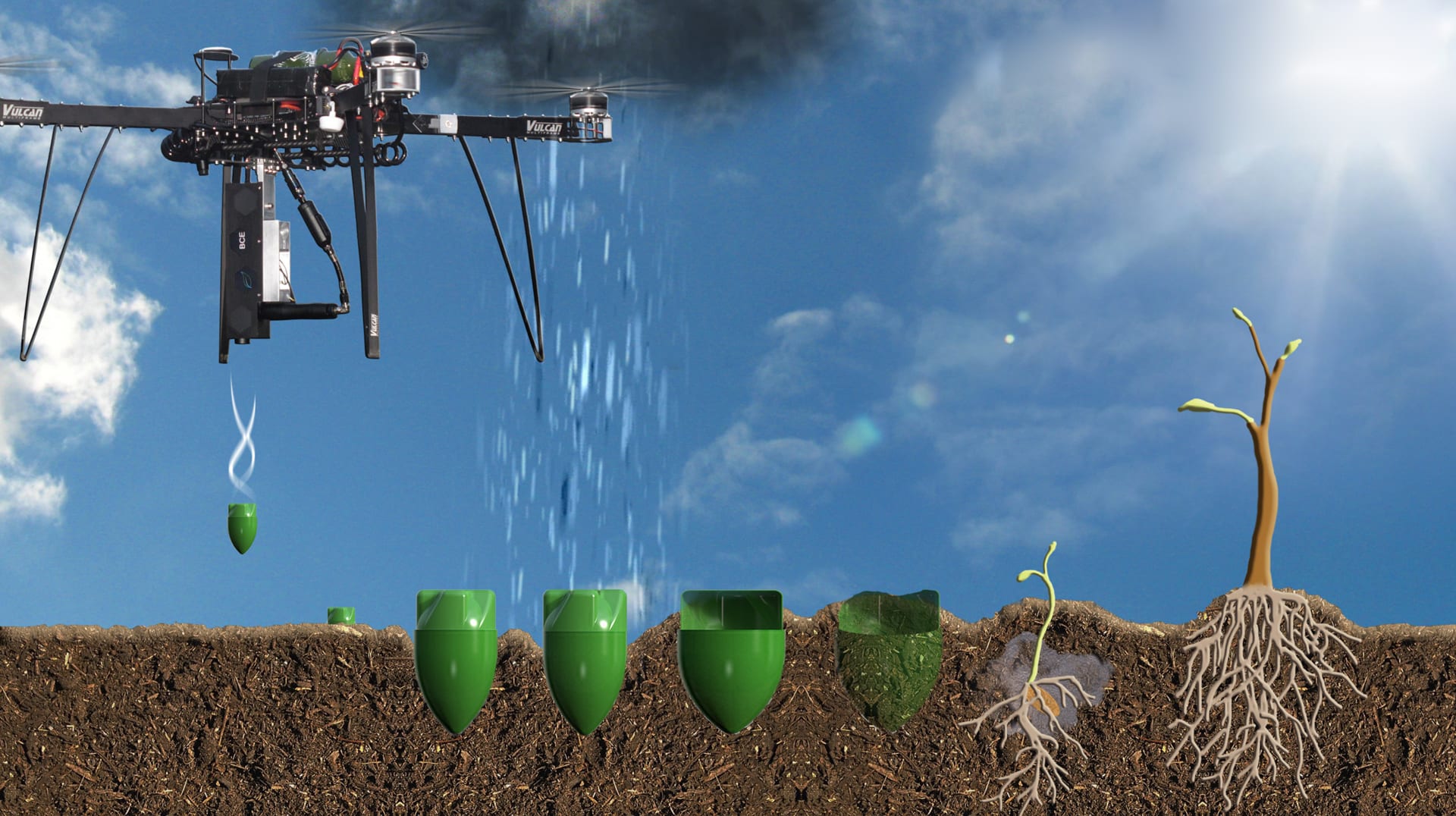
    Agricultural Drones with Tree-Planting Capabilities

    Image: BioCarbon Engineering

    Trees play a crucial role in mitigating climate change by sequestering carbon dioxide and other greenhouse gases, purifying the air and water, restoring depleted soil, supporting biodiversity, and supplying human necessities such as food and shelter.

    However, the World Wildlife Fund reports that we lose the equivalent of 27 soccer fields’ worth of trees per minute, or 18.3 million acres, of forest each year.

    Seeds planted by hand are helpful, but it’s difficult for individuals to keep up with the rate of industrial deforestation.

    This is why scientists and engineers all over the world are developing cutting-edge methods.

    BioCarbon, a company based in the United Kingdom, is employing drones to spread tree seeds across degraded forest land, with the bold promise that they can plant 1 billion trees year. Sankalp Taru a tree planting organisation. Indian company Marut Drones, which pioneered the use of drones in agriculture and the distribution of vaccines, is now employing the technology as part of the government’s Hara Bhara programme to reforest massive swaths of land.

    Planting drones hover six feet above the ground and fire seeds so quickly that they get securely implanted into the soil, a method touted by National Geographic.

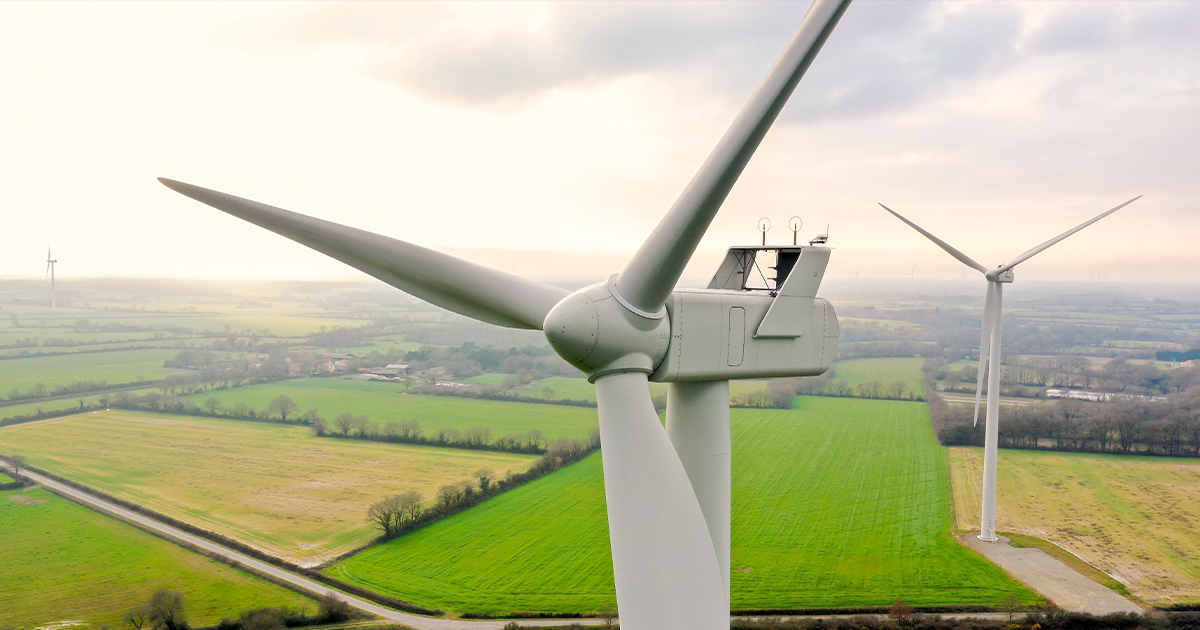
    Massive, ‘Palm Tree’ Wind Farms

    Image: Free think

    Despite its potential, wind energy is rarely put to use.

    A group of scientists even calculated that a wind farm in the Atlantic Ocean the size of Greenland might produce enough energy to supply the world’s needs, so rendering fossil fuels obsolete.

    It’s easy to understand the concept, but putting it into practise is much more challenging.  One team of engineers is making strides in this direction by constructing wind turbines that are twice as enormous as the largest turbines currently in operation. According to the New York Times, the 650-foot-tall blades would respond to the speed and direction of wind by bending like palm tree fronds.

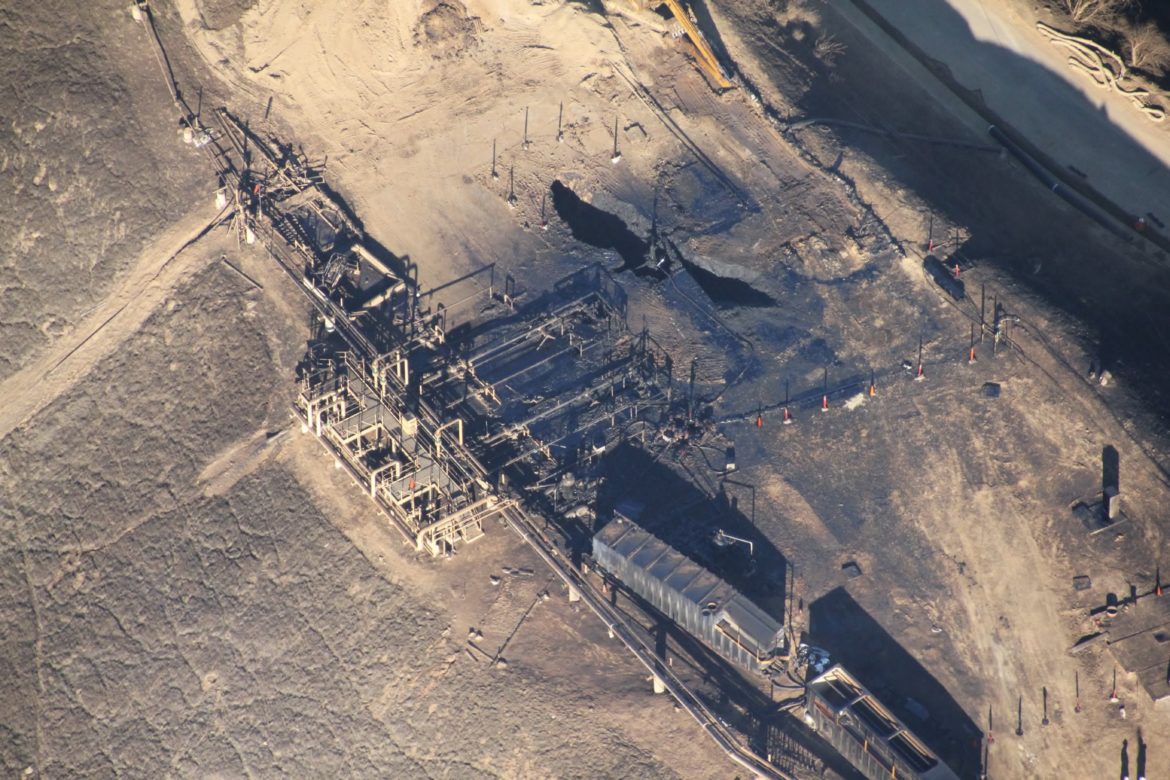
    Satellites that Can Spot Methane Leaks

    Image: Inside Energy

    Fracking and other activities can trigger leaks that, for months at a time, discharge vast volumes of a colourless, odourless gas into the sky.

    The offender is methane, which can be 80 times more efficient at maintaining heat than carbon.

    The New York Times reports that researchers are preparing to launch a satellite that can pinpoint the location and timing of methane leaks. So, the leaks may be fixed as soon as feasible.

    The satellite has the potential to reduce methane emissions from the oil and gas industry by as much as 50 percent.

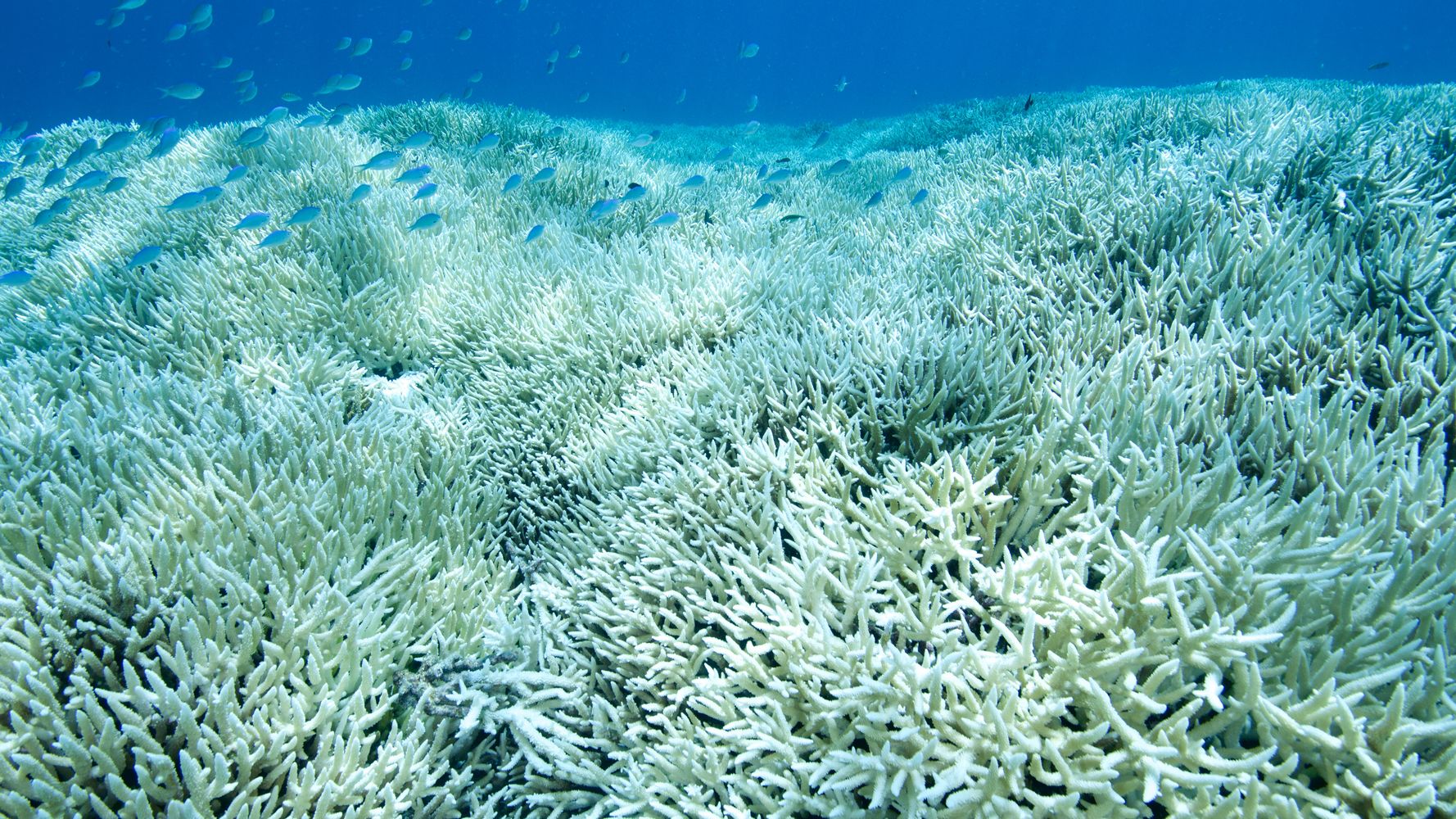
    Circulating Pumps for Reefs to Reduce Temperature

    Image: Huff post

    Increases in temperature of even two or three degrees Celsius pose an existential threat to coral reefs.

    And as the temperature rises around the globe, coral reefs are dying off.

    For example, an engineer by the name of Mo Ehsani is working on a plan to relieve coral by installing an undersea conduit that can pump cold water over reefs, so chilling them off and preventing a phenomenon known as coral bleaching.

    While his proposal won’t stop climate change from becoming an even greater concern, it might help coral reefs around the world hold off further deterioration.

    Plastic Eating Enzymes

    Photo credit: Institute of innovation

    According to the present rate of production, there will be 12 billion metric tonnes of plastic trash in the world by the year 2050. That’s the weight of a medium automobile, or 1.6 metric tonnes, for every person on Earth.

    There is a serious hazard to human health from the presence of plastic in our food and water supply, and all of this plastic is wreaking havoc on wildlife. Nonetheless, a chance scientific discovery may alter this for the better. A group of Japanese scientists accidentally created an enzyme that can degrade plastic in a few days, a significantly shorter amount of time than the typical hundreds of years it takes for plastic to decay. This “means we won’t need to dig up any more oil and, basically, it should minimise the amount of plastic in the environment,” Professor John McGeehan of the University of Portsmouth, UK, told the Guardian.

    Futuristic Solar Panels

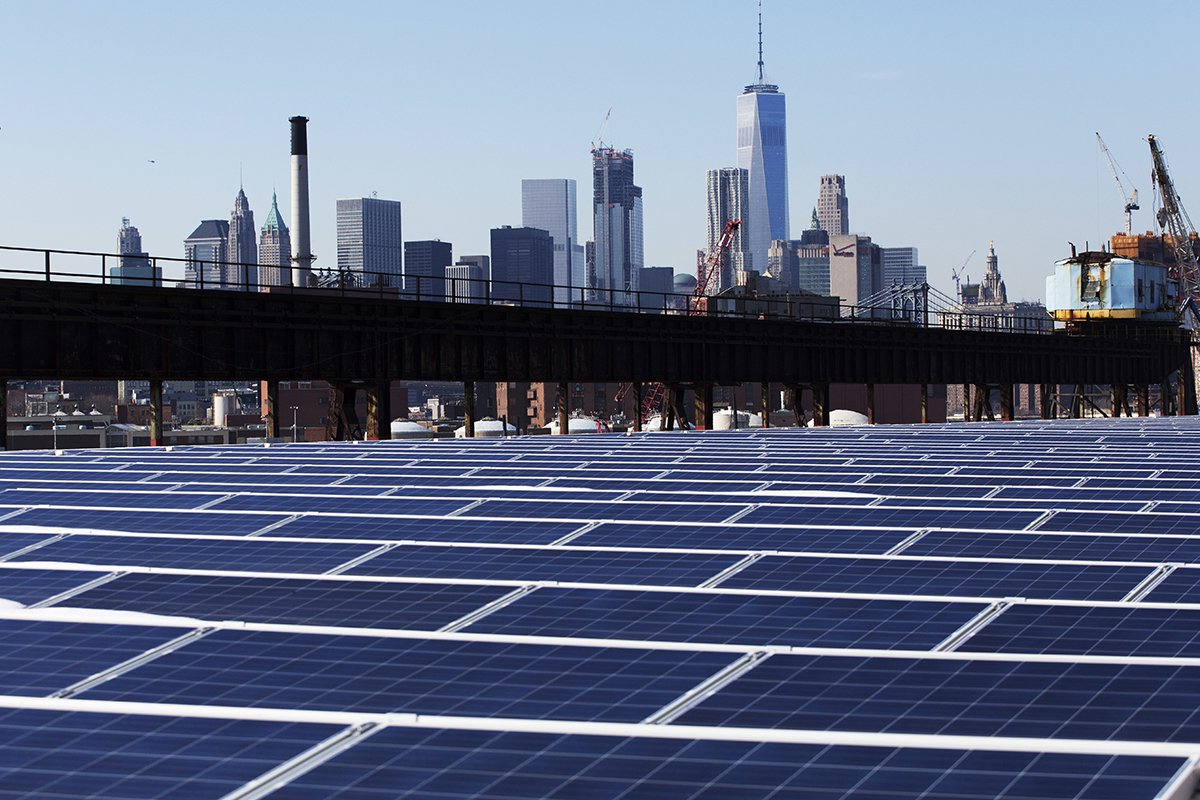
    The Manhattan skyline can be seen in the background of this photograph taken on February 14, 2017, at the Brooklyn Navy Yard in New York City.

    Image:  Mark Lennihan/Associated Press

    Typically, solar panels are placed on the tops of buildings or in expansive fields where they can get an unobstructed amount of sunshine.

    However, researchers are always exploring novel methods of collecting solar power.

    Researchers at Michigan State University think all windows and cell phone screens might start harvesting the sun’s energy soon, and new solar panels created in China can convert rainwater into usable electricity.

    Geo-engineering for solar

    Image: AP Photo/David Goldman, File

    The last four years have been the warmest on record, and if current trends continue, global temperatures might rise by as much as 7.5 degrees Fahrenheit (4.8 degrees Celsius) by the end of the century, leading to catastrophic environmental consequences.

    Researchers at Harvard propose releasing sun-blocking particles into the atmosphere to chill the world and delay the worst effects of climate change if a drastic reduction in global greenhouse gas emissions is not implemented.

    According to Harvard geoengineer David Keith, who talked with Global Citizen, the same particles are spewed into the atmosphere by cars and factories, which may sound like apocalyptic technology.

    According to him, the only viable method to stop climate change is for countries to reduce their emissions, and blocking the sun on purpose could give them that time they need.

    Genetic Modification

    Image: Genetic Literacy Project

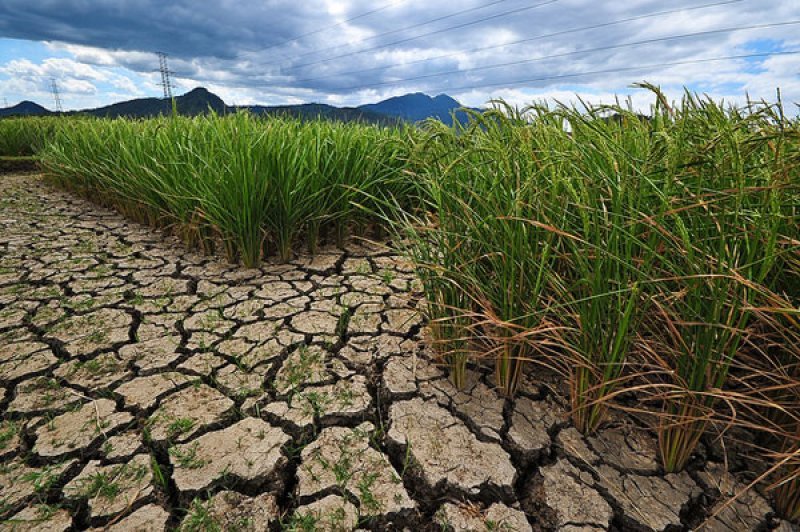
    Drought, flooding, and pests will become more likely as a result of climate change, which could eventually wipe out widely consumed crops like corn, coffee, and chocolate. In the meanwhile, genetic engineering has the potential to fortify crops against these disruptions by introducing traits that make them more resistant to things like pests, drought, and saltwater intrusion brought on by rising sea levels.

    Despite widespread scientific agreement that genetically modified organisms (GMOs) are safe for human consumption, the controversy surrounding them has hindered their adoption around the world.

    The Global Goals are a focus of Global Citizen’s advocacy work because they encourage novel approaches to environmental protection. You have the power to resolve this problem.

    Think about this:

    Each additional degree matters now because the world is 1.2 degrees warmer than it was before industrialization. Global warming of 2°C is predicted to increase the frequency and severity of extreme weather events such droughts, floods, wildfires, and storms.

    Despite some progress, COP26 failed to take meaningful climate action last year. U.N. Secretary-General António Guterres warned that “our delicate world is hanging by a thread” during COP26, the United Nations’ most recent conference on climate change. As of now, a climate disaster is still only on the horizon. In the absence of immediate action, our chances of achieving net-zero will be nil.

    Sometimes the future looks bleak. The good news is that everyone of us still has a great deal of power to alter this story’s course. All of us must take action now to address the climate disaster. Any new invention or discovery which make the world a better place  is what we need.Sponsored by: 1xbet