Category: Climate Teachings

  • Teachers Day: Honouring Mother Nature’s Professors!

    Teachers Day: Honouring Mother Nature’s Professors!


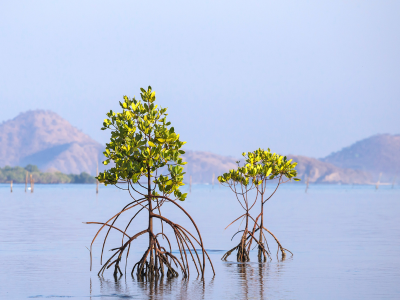
    Every year on Teacher’s Day, we express our gratitude to the mentors who have illuminated our paths to knowledge. This day is dedicated to the individuals who have not only imparted wisdom but have also instilled values, shaping us into responsible and compassionate human beings. As we celebrate these remarkable teachers, let’s take a moment to recognize the unsung educators of our world—the trees. Yes, you read that right! On this Teacher’s Day, we are paying tribute to the silent yet profound teachers of nature.

    Patience: The Wisdom of Growth

    Just like our beloved teachers, trees teach us patience. They remind us that greatness takes time to develop. Trees don’t rush to reach the sky; they take it one ring at a time, growing stronger with each passing year. In their stillness, they inspire us to build the best versions of ourselves patiently and persistently.

    Resilience: Deep Roots in Tough Times

    Life can be harsh, and storms will inevitably come our way. Trees teach us resilience. As they grow upwards, their roots dig deeper into the earth, providing stability and strength during turbulent times. They show us that adversity can be weathered, and with unwavering determination, we can withstand life’s challenges.

    Care & Share: The Circle of Giving

    Trees embody the essence of care and sharing. Through photosynthesis, they give us the very air we breathe. Their fruits and leaves nourish countless creatures in their ecosystem. They remind us that giving what we have to others, whether it’s knowledge or resources, is the key to a thriving life for all.

    Design: Finding Beauty in Complexity

    Nature is a masterful teacher of design. Trees, with their intricate branches and leaves, show us that beauty often lies in complexity. They encourage us to explore the details, patterns, and subtleties in the world around us. Nature’s design is a masterpiece, and we can learn from it every day.

    Myplan8: Taking the Lesson Further

    As we celebrate this Teacher’s Day and reflect on the invaluable lessons imparted by trees, we also have the opportunity to take action. Myplan8, a pioneering startup, has recognized the importance of understanding our impact on the environment, particularly our carbon footprint.

    Offsetting Carbon Footprints with Myplan8

    Myplan8’s mission is to build awareness and empower individuals to offset their carbon footprint. By addressing eight lifestyle-linked categories, Myplan8 encourages us to make conscious choices in our daily lives. It’s the first company in India to evaluate digital usage’s carbon footprint, recognizing the importance of our online activities in the carbon equation.

    Trackable and Transparent Projects

    Myplan8 has selected trackable projects with 100% transparency, providing precise information about location, species, and the targeted impact of each project. These projects span diverse regions, including the Sundarbans National Park, Cauvery River Banks, and various locations in New Delhi, Sikkim, Jammu and Kashmir, and more.

    Green Credits™: An Incentive for Positive Action

    To create a rewarding and incentive-based ecosystem, Myplan8 offers Green Credits™ through subscription plans starting at just INR 99. These credits are tied to carbon credits, registered under a carbon registry and tradable in voluntary carbon exchanges. When users take positive actions, primarily by subscribing to Myplan8’s curated offsetting projects, they earn these Green Credits™ as a token of appreciation.

    Conclusion: Be a Student of Nature and Myplan8

    This Teacher’s Day, let’s celebrate the wisdom of trees and the valuable lessons they teach us. As we reflect on their teachings, let’s also consider the impact we have on our environment and how we can offset it through Myplan8’s innovative platform. Just as we honour our teachers, let’s honour our planet and strive to be lifelong students of nature. Join the Myplan8 community, take action, and earn Green Credits™ as you contribute to a greener, more sustainable world. Happy Teacher’s Day!
  • IPCC AR6 Synthesis Report on Climate Change 2023: What India needs to understand?

    IPCC AR6 Synthesis Report on Climate Change 2023: What India needs to understand?

    The IPCC assessment warns that India will be severely affected by the climate challenge, and the synthesis report was published on 20 March 2023. The Intergovernmental Panel on Climate Change (IPCC) is producing its Sixth Assessment Report (AR6) with the assistance of its three Working Groups, a Synthesis Report, three Special Reports, and a revision to its most recent Methodology Report.

    Considered a “last warning” to humanity, the report suggests immediate global restorative measures. At 1.5°C, biodiversity loss, mortality, species extinction, and loss of livelihood are predicted; at 1.6°C, 10% of species will become endangered. In vulnerable regions characterised by extreme temperatures and precipitation, global warming exacerbates these threats. Almost 80% of marine species in the tropical Indian and Pacific Oceans could perish if the planet heats by 3°C. Above 4°C, biome shifts affecting 35 percent of the world’s land area and extinction of 50 percent of tropical marine species are predicted.

    The impacts of climate change on India and the subcontinent are severe, threatening water, food, soil, and life. In Asia, Africa, China, India, and Bangladesh, the risk of all maize crops failing simultaneously ranges from 6 to 40% due to the increasing flood risk. Death and impairment rates differ by region due to the effects of extreme temperatures and infectious diseases. The recent migration of tropical species from the Atlantic and Indian Oceans into the Mediterranean has been linked to the warming of the region.

    Social-Ecological Systems (SES) are sensitive to global temperature changes due to their small seawater volume and landlocked location.

    WSI (Water Stress Index) estimates indicate that four billion people confront severe water scarcity every year, with India and China being the most affected. Even in arid regions, climate change is diminishing water supplies. In North Africa, the Middle East, a large portion of India, and northern China, water security is inadequate. In 2015, 29% of the world’s population did not have access to clean water. In South and Southeast Asia, water insecurity is caused by the escalating risk of flooding and low water quality.

    Droughts are costly, limit water availability, and harm crops, yields, and the economy. One article (Ward and Makhija, 2018) estimated that the drought in India in 2014 cost $30 billion. Increased conflagration danger due to drought During droughts, inadequate sanitation, population displacement, the loss of social ties, place, and cultural identity, as well as migration to hazardous settlements, can pose health risks (Serdeczny et al., 2017). 34% of disaster-related fatalities were a result of droughts.

    Irrigation increases food security, livelihood support, and poverty alleviation in India (Sekhri, 2014), Bangladesh (Salem et al., 2018), and sub-Saharan Africa (Taylor et al., 2013a; Cuthbert et al., 2019b) due to groundwater utilization.

    In May 2020, West Bengal, India, and Bangladesh were affected by Cyclone Amphan.

    The loss of 1600 square kilometres of Sundarbans mangroves and an estimated $13.5 billion. India and Bangladesh were displaced by Cyclone Amphan in the year 2020. 800,000 of the 2,4 million evacuees were government-organized.

    At a global temperature increase of 4°C, precipitation on the Indian subcontinent rises from a few percent to more than 70 percent. By 2050, habitat suitability in India’s western ghats will decrease by 10% due to climate change. The warming of the western Indian Ocean has increased tropical cyclone frequency and intensity. A 1.5°C higher environment could quadruple extreme positive IODs, potentially causing insect epidemics. The Gangetic Plain, the corridor between Delhi and Lahore, coastal cities like Chennai, Chittagong, Dhaka, and Mumbai, and other rural-to-urban migration centers in South Asia would be affected by climate change. According to migration estimates, thirteen of the top twenty coastal cities with flood casualties in 2050 will be located in Asia. Losses attributable to rising sea levels could reach 112–162 billion US dollars by 2050 and 2.8–2.9 billion US dollars by 2070 in Mumbai (India).

    The good news is that solutions exist for India and the subcontinent, and they can resolve all of these problems with the available solutions. The government, corporations, micro, small, and medium-sized enterprises (MSMEs), and the general populace all take action as if it were an urgent matter. Consumer-driven demand and mass production have the largest impact on climate change victims.

    India emits 2.88 Gt of CO2 per year. 35% of India’s population, or 141 billion individuals, reside in urban areas. Urban Indians generate 1.32 tons of CO2 per year. The 650 million tons (approximately 22 percent of the total) of CO2e are produced by the 493 million residents of India’s metropolitan regions.

    Annually, India emits 2.46 billion metric tons of CO2 equivalent, or 6.8% of the global total. In India, the poor produce 0.19 tons of CO2 equivalent annually compared to 1.32 tons for the affluent.

    We must raise awareness of these individuals and take consistent action to counteract their negative impact on the environment. Why?

    Because each tiny action helps save the planet. Individuals are capable of and will have the greatest influence on climate action. No policy, regulation, business, or organization can prevent us from creating a better planet if we all work together to reduce our impact. Mission LiFE (Lifestyle for the Environment) can be fully realized.

  • This 1920s Inventor Sped Up Climate Change With His Inventions

    This 1920s Inventor Sped Up Climate Change With His Inventions

    While many technologies have helped people and advanced society, others once hailed as breakthroughs today have detrimental implications. Once-wonderful insecticide DDT had far-reaching harmful consequences on the ecosystem, as did plastic packaging. Two innovations—leaded gasoline and chlorofluorocarbons—cause the most harm (to human and planetary health) (CFCs). 

    Thomas Midgley Jr., a chemical engineer from Beaver Falls, Pennsylvania, who wore glasses, invented both.

    Low-quality gasoline at the turn of the century caused engines to knock, reducing performance and economy and often causing mechanical failure. In 1916, Charles Kettering, inventor of the electric starter, asked Thomas Midgley to produce a gasoline additive that would boost car engine performance. Midgley opted for ethanol after many fruitless efforts (the same ethyl alcohol found in wines and spirits). Midgley patented an alcohol-gasoline anti-knock fuel in 1920.

    Midgley and Kettering hailed ethanol as the “fuel of the future,” but they couldn’t patent the technique and couldn’t profit from it. Prohibition made it easier for farmers to produce ethanol from corn, which increased home distillation. Further, ethanol’s dual purpose as a fuel source made it unpalatable to the oil business, whose support the embryonic automakers sector needed.

    The dark discovery by Midgley

    Midgley and Kettering had moved on to General Motors by this time, and Alfred P. Sloan (often called the “father of planned obsolescence”) had abandoned their attempt to sell gasoline mixed with ethanol in 1921. Sloan’s plan to fight Ford’s Model-T comprised flashier cars with more powerful engines, but engine knock remained a problem. GM sent Midgley back to the lab to build a cheap, profitable gasoline additive.

    The first in the US to include lead was ethyl-branded gasoline. BEV Norton’s fault. The first leaded gasoline in the US was called “Ethyl.” To Norton’s credit Midgley discovered tetraethyl lead in December 1921. (TEL). Karl Jacob Löwig developed TEL in 1853, but Midgley discovered that adding it to gasoline prevents engine banging when a cool flame burns fuel too early. TEL disturbs this process, allowing combustion to occur at the correct time, and enhancing engine compression, speed and fuel economy. TEL was inexpensive to develop and could be trademarked, opening the door to significant income for GM.

    Due to the detrimental health effects of lead, the word “lead” was never used when the first leaded gasoline was introduced in Dayton (Ohio, USA) in February 1923 under the brand name “Ethyl.” This name evoked discarded ethanol.

    First TEL deaths

    Midgley was vice president of the Ethyl Corporation, a collaboration between GM and Standard Oil (now Exxon) that commissioned Dupont to produce “Ethyl fluid” (essentially TEL plus red dye). Despite the company’s assertion that TEL was safe, numerous states outlawed it after hundreds of workers hallucinated, went insane, and died at a new New Jersey factory.

    Midgley held a press conference in 1924 to tout the TEL’s safety. Source: Wikipedia Midgley praised TEL’s security in 1924. Wikipedia photos

    After recovering from lead poisoning in 1923, Midgley participated in a press briefing on 30 October 1924 to illustrate TEL’s safety. He then rubbed TEL into his hands and inhaled its fumes for 60 seconds in front of the journalists, insisting he would be OK doing this every day and blaming the illness on staff who hadn’t followed safety rules. Midgley knew TEL was toxic. In 1922, DuPont’s chairman described it as a “colourless liquid with a sweetish odour that causes lead poisoning swiftly if absorbed through the skin.”

    Midgley ignored TEL’s risks for its financial benefits. According to his 1925 scientific conference presentation, “tetraethyl lead is the only known material that can achieve these [anti-knock] findings, which are important to the economical use of all automotive equipment by the general population.” He didn’t say he’d altered his view regarding ethanol as an anti-knock component since it burns cleanly.

    Health consequences

    Large corporations convinced the US Surgeon General that the health dangers of lead-tainted gas were insignificant compared to the economic benefits. By 1936, 90% of U.S. gasoline contained ethyl fluid, having quickly surmounted regulatory barriers from states and health agencies. Leaded gasoline became standard globally in later decades. In 2000, Mexico City’s four million cars produced 32 metric tonnes of lead daily.

    People stopped using lead-tainted gasoline in the early 21st century. CC-licensed photo (CC0) Most industrialised nations eliminated leaded gasoline by the early 2000s. Pixabay’s public-domain image.

    Leaded gasoline was a public health hazard. Lead has no physiological use and harms the kidneys and nervous system. It can cause children to lose their IQ and become more aggressive and impulsive. Research links childhood lead exposure to violent criminality.

    In the 1980s, the U.S. began phasing out leaded gasoline as Americans learned of its health risks (only Algeria continues to use leaded petrol today). Due to the widespread usage of leaded gasoline for nearly a century, the metal is now embedded in the planet’s surface, atmosphere, water supply, and human bodies. According to a 1992 research in The New England Journal of Medicine, modern people have 625 times more lead in their skeletons than pre-Columbian North Americans. Leaded gasoline causes 90% of lead poisoning in poor children, according to the WHO. 15 to 18 million youngsters suffer chronic brain damage.

    Discover of Freon

    Thomas Midgley’s next great innovation addressed a problem with General Motors refrigerators of the 1920s. This equipment sometimes emits corrosive gases like sulphur dioxide or methyl formate (highly toxic if inhaled and flammable).

    Under Midgley’s leadership, scientists invented dichlorodifluoromethane, the first chlorofluorocarbon (CFC), a non-toxic, non-flammable refrigerant commercialised Freon-12. Midgley blew out a candle after inhaling the gas to show the American Chemical Society its effectiveness.

    Midgley’s next concept was to fix refrigerators. James Vaughan Midgley’s second invention was refrigerators. Chlorofluorocarbons were first synthesised in 1939 and immediately became used as refrigerants, aerosol propellants, and solvents. Midgley didn’t realise that these gases would blast a hole in Earth’s ozone layer, which absorbs cancer-causing UV light. Even though the CFC-caused gap has stabilised, the situation is still worrying and will take decades to repair.

    Think about this:

    Midgley can be forgiven for the CFC debacle, but tetraethyl lead’s dangers were immediately apparent. Thomas Midgley was honoured for his two discoveries and 170 patents, including ethyl gasoline. Midgley was paralysed by polio in 1940. He was an innovator. Therefore, he let others help him move using ropes and pullies he built. He was strangled to death on November 2, 1944, at age 55. His final idea only injured him, unlike his first two, which were global.

  • Since 1850, these significant moments in history have hastened the shift in climate.

    Since 1850, these significant moments in history have hastened the shift in climate.

    Here’s a Graph Showing the Temperatures Around the World (1851-2020)

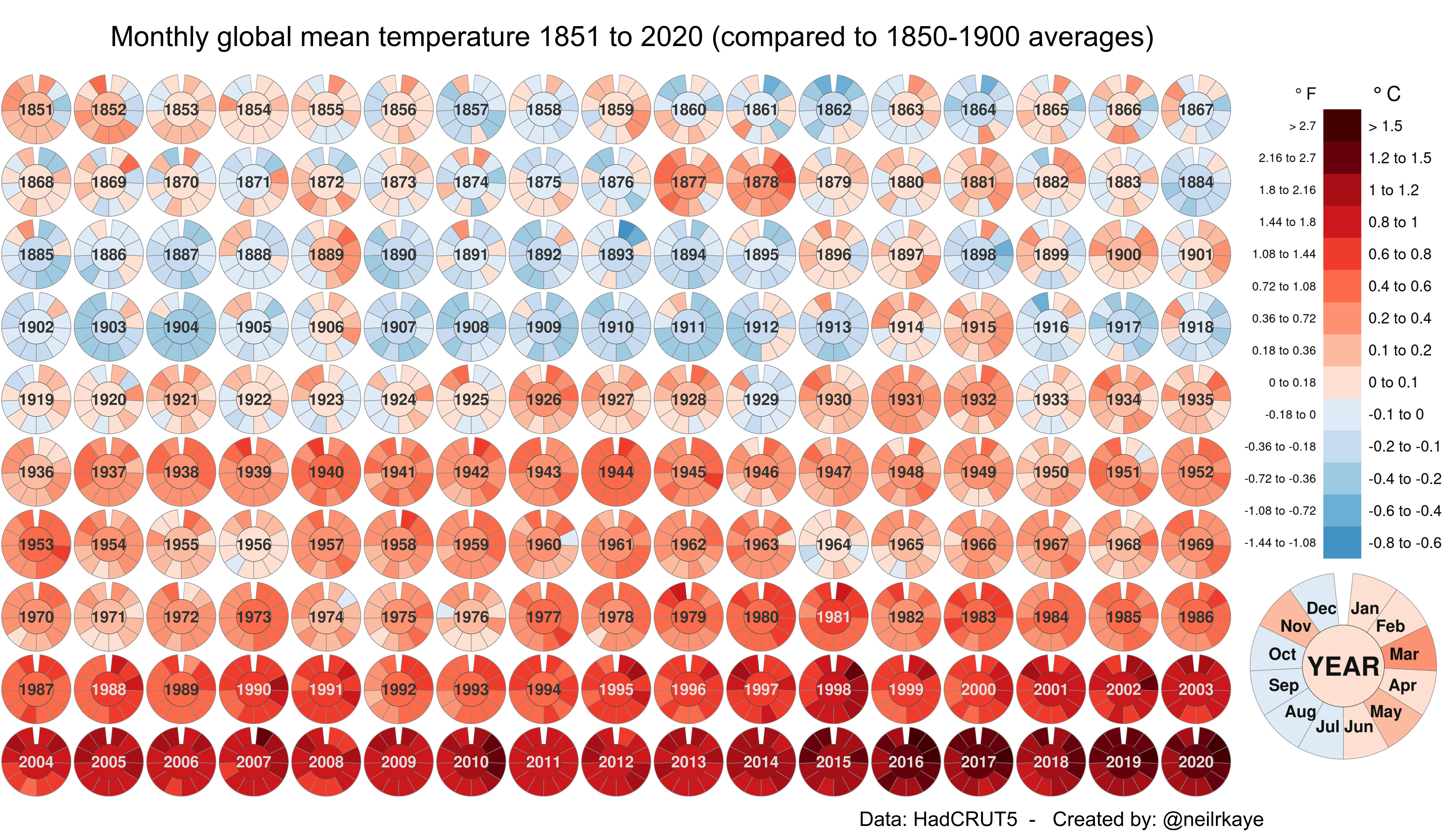
    Since the beginning of the industrial revolution, surface-level average temperatures have been more than 1.5 degrees Celsius higher than their pre-industrial values. Image: “The Visual Capitalist” (photograph)

    Temperatures at the earth’s surface have risen at an average rate of 0.07 degrees Celsius (0.13 degrees Fahrenheit) every decade for the past 130 years since 1880. Although each component may not appear to be particularly significant on its own, the total will, over time, become increasingly important.

    Temperature swings have been more extreme over time, with the rate having more than doubled to 0.18 degrees Celsius (0.32 degrees Fahrenheit) since 1981. The environmental catastrophes that have arisen as a direct result of the ongoing process of global warming have emerged as the primary dangers that humanity is currently confronted with.

    Neil R. Kaye, a climate data scientist, developed this graph to illustrate the average monthly temperatures across the globe over the past approximately 170 years. Temperature measurements have been compared to the pre-industrial averages, which have been utilised as a reference point (1850–1900).

    Why is the temperature of the globe increasing?

    The representation of the data is divided into two sections, and each of these parts indicates a significant turning point in the trend of global warming:

    1. Convergence with the Age of Machines, 1851–1935 [1851–1935]
      The predicted increase in average global temperature might range anywhere from -0.4°C to +0.6°C.
    2. Convergence with the Emerging Industrial Age, 1936–2020
      Temperature increase over the globe, from the low end to the high end: +0.6°C to +1.5°C and up

    According to the graph that displays global temperatures, the global average surface temperature has been consistently more than 1.5 degrees Celsius higher than its pre-industrial levels for several years. Let’s investigate these periods in greater depth to understand this incident’s historical context better.

    Alterations and progress made in the manufacturing sector between the years 1851 and 1935

    There is a remarkable optical abnormality that occurs between the years 1877 and 1878, and it merits more examination. This historical period witnessed a series of extreme climate events that had never happened before in the history of humanity. These events ranged from a strong El Nio to widespread droughts. The Great Famine was responsible for the deaths of between 19 and 50 million people, making it more lethal than even the pandemics with the highest death toll in recorded history.

    The first five rows of the graph depicting global temperature, several different economies began the Second Industrial Revolution (1870–1914). This was followed by World War I in the sixth row (1914-1918). Over the past eighty years, a strong emphasis was placed on the manufacturing of steel and mass-produced consumer goods.

    These technological advancements undoubtedly benefited society; however, they came at the expense of burning fossil fuels, which led to a significant increase in the concentration of carbon dioxide and other greenhouse gases in the atmosphere. This trade-off had to be made to fund these technological advances. It would be decades before scientists fully comprehend the implications of their accumulation in the atmosphere and the connection between that and a general global rise in temperature.

    The world from the 1930s up until the 2020s, often known as the Red Zone

    The second section of the temperature graph for the world shows the effects of World War II (1939-1945), which can be seen in the third column. As soon as the haze had cleared, countries immediately began the process of rebuilding, and the Third Industrial Revolution kicked the recovery into high gear.

    People and things have travelled further than ever since the 1950s, roughly concurrent with the beginning of the modern era of globalisation and commercialisation. In addition, between the years 1965 and 1970, the annual population growth rate averaged a staggering 2.1%. The pace of industrialisation began to quicken as a response to the growing demands of the contemporary world and the ever-increasing population worldwide.

    The relevance of past temperature patterns to current conditions

    The effects of climate change have been felt throughout human history. The progression of historical trends can shed light on the question of how much of the recent rapid increase in global average temperatures during the past 85 years may be related to natural patterns of climate change as opposed to activities carried out by humans.

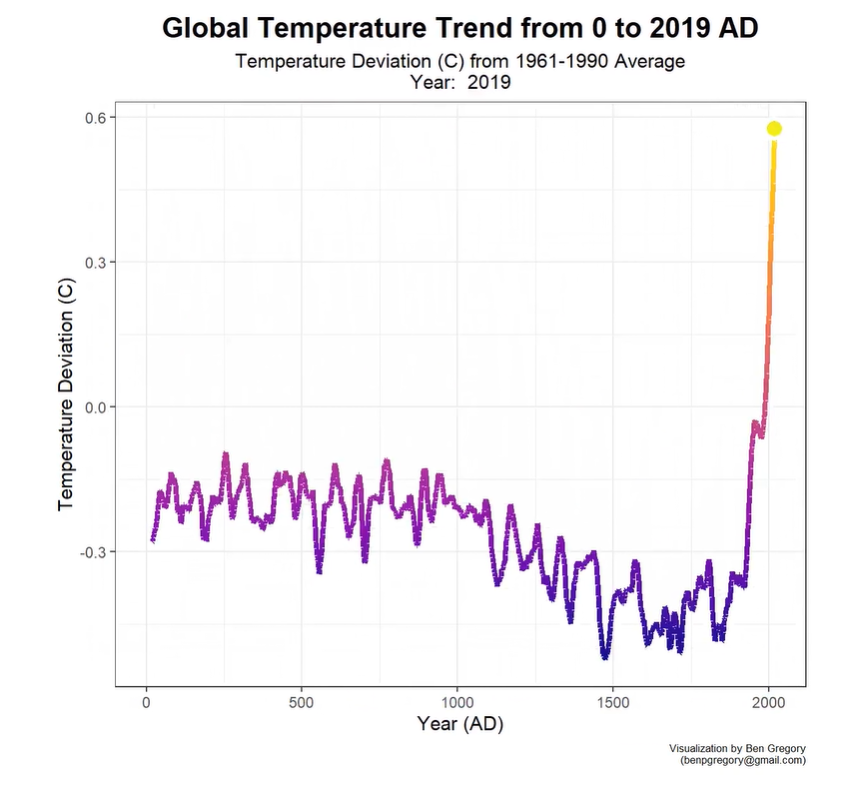
    A member of Reddit named bgregory98 developed the following graph using a big data set published in Nature Geoscience to more vividly the argument. The rise in global temperatures has received much attention over the past two thousand years. Within this broad time frame, the most recent decade alone is responsible for producing eight of the top ten warmest years on record.

    This graph demonstrates that there has been a significant increase in average world temperature over the past two thousand years.

    Image: “The Visual Capitalist” (photograph)

    Global warming and climate change are two essential megatrends expected to emerge shortly. However, promising steps are being taken, such as the United States rejoining the Paris Climate Agreement and the reduction of global carbon emissions being designated a prominent topic at the World Economic Forum’s Davos Summit 2021. Both of these events will take place in 2021.

    Think about this:

    Climate change is hurting human life, urban areas, and ecological systems. As a result of human-caused global warming, extreme weather, ranging from heatwaves and droughts to cyclones and floods, is becoming more common, severe, and unpredictable. Because of ocean warming and acidification, coral bleaching events occur twice as frequently as in 1980, and many corals are dying as a result—the more dangerous the climate, the greater the threat to ecosystems and human societies. Even 1.5°C of global warming will make it difficult for the planet to survive. However, the 1.5°C to 2°C warming range is a critical battleground in which threats to human civilisation and ecosystems multiply rapidly.

    To progress, we must accept that we will need to make significant changes to our way of life. Transitioning will be difficult, but it is necessary to protect future generations and our species and natural environments. There is far too much at stake to wait until next year to act.

  • Two inventions you can’t live without are responsible for ozone depletion

    Two inventions you can’t live without are responsible for ozone depletion

    Have you heard that the refrigerants used in air conditioners and refrigerators can harm the natural world? Both chlorofluorocarbons (CFCs) and other refrigerants are recognised as harmful to the ozone layer, and some of them also significantly impact greenhouse gases.

    Unfortunately, the development of refrigerants has not been an event free of debate. The greenhouse impact caused by driving your car for six months is comparable to that caused by one kilogramme of refrigerant R410a. Consequently, India exercises stringent control over the entry of artificial greenhouse gases and completely prohibits the importation of gases such as CFCs.

    Refrigerants can be released into the air due to malfunctioning equipment, improper maintenance, or disposal. Be careful to choose only highly trained and experienced service professionals: When working with refrigerants, a licenced technician will know how to do it with the most negligible negative impact on the surrounding environment.

    The ozone layer is essential for absorbing potentially harmful UV radiation emitted by the sun. Still, it has been depleted by many chemicals that humans use to keep their homes cool. UV radiation has been associated with various adverse health effects, including sunburn, skin cancer, accelerated ageing, and blindness.

    What exactly makes up the ozone layer?

    Ozone (O3) is a naturally occurring gas with a pungent odour but is colourless and odourless to the human eye. It is created when certain bacteria in the atmosphere decompose organic substances in the environment. Normal oxygen molecules (O2) are unreacted and exposed to the sun’s ultraviolet radiation, which produces this substance. Because of a positive reaction that occurs in ozone, a considerable amount of the harmful radiation from the sun does not reach Earth.

    The ozone layer can be found in the stratosphere, located between the altitudes of six and thirty miles above the earth’s surface. There are only three ozone molecules for every ten million air molecules in the stratosphere, which is a percentage of 0.00006%. Even though it only makes up a tiny percentage of the atmosphere, ozone is crucial in ensuring that the sun’s rays are safe for all life forms.

    Natural processes produce ozone and then break it down. Still, artificial chemicals called CFCs in the atmosphere prevent new ozone from being Pradesh creation of a “hole in the ozone layer” has been attributed to the use of these chemicals, which were common ingredients in early refrigerants. It is more accurate to say that ozone depletion results in a weakening of the ozone layer than it is to say that actual holes are being created in the lactating.

    Just what do we mean when we talk about refrigerants?

    In early air conditioning systems, some of the refrigerants that were accessible included ammonia, methyl chloride, and sulphur dioxide. In the 1920s, methyl chloride and sulphur dioxide were banned from usage because of their toxicity and chlorofluorocarbons were introduced to take their place (CFCs). Before sulphur dioxide and methyl chloride risks were recognised, their use in the industry was prevalent for several decades.

    How much damage does it create in the ozone layer when refrigerants are used?

    It wasn’t until the 1970s that scientists realised the ozone layer was losing approximately 4% of its mass every decade. The significant decrease in ozone levels discovered for the first time in 1985 was attributed by the British Antarctic Survey to faulty instruments. It was established that the principal cause of the depletion was the excessive use of synthetic substances, such as CFCs, which were released into the atmosphere through the emission of aerosols and refrigerants. Ozone molecules are susceptible to damage from chlorine and bromine, which are produced when CFCs break down in the presence of sunshine.

    “Polar stratospheric clouds” form when temperatures drop below freezing, making polar regions more susceptible to ozone depletion. These clouds are the ideal environment for the chemical processes that deplete the ozone layer. Consequently, the amount of ozone in some regions is lower than the average for the entire planet, leaving behind “holes” or sparse areas.

    In the spring, there is a significant depletion of the ozone layer in the stratosphere above Antarctica, which results in the formation of the so-called Antarctic ozone hole.

    The importation of autos, boats, and others The air conditioner is commonly seen in homes, workplaces, and other types of buildings worldwide. Air conditioners are available in various sizes and configurations, ranging from enormous central chiller systems to small window units. However, they all have in common: they utilise refrigerants to eliminate heat.

    What is the Montreal Protocol?

    In September 1987, the Montreal Protocol, which aimed to eradicate ozone-depleting refrigerants, became legally binding. This agreement outlined a timetable for developing zone-safe substitutes for the substances that deplete the ozone layer. There has not been another international agreement that has received as many signatures as this one has (197 countries).

    The usage of refrigerants that deplete the ozone layer and, more subsequently, refrigerants that contribute to global warming has significantly decreased since the pact was implemented

    Which of these refrigerants poses the most significant?

    The main uses of ozone-depleting substances include:

    CFCs and HCFCs in refrigerators and air conditioners,

    HCFCs and halons in fire extinguishers,

    CFCs and HCFCs in foam,

    CFCs and HCFCs as aerosol propellants, and

    methyl bromide for fumigation of soil, structures and goods to be imported or exported.

    Chlorodifluoromethane was a common refrigerant used in older models of air conditioning units for homes (R-22). Both the ODP and GWP values of the refrigerant R-22 are incredibly high (GWP). Currently, the Environmental Protection Agency is working on outlawing this drug.

    Even though it does not include chlorine, its successor, R-410A, also has a high global warming potential (GWP). Chemists are still looking for the “ideal” refrigerant, but they are not optimistic that they will find it soon. All we can do is keep our fingers crossed that choices like this will quickly become more mainstream.

    Making the switch to a more modern air conditioner that uses less hazardous refrigerants and looking at energy-saving efficiency star-rated appliances can help us use refrigerant-based equipment more efficiently.

    Think about this:

    Even if your existing air conditioner is only ten years old, the Environmental Protection Agency (EPA) predicts that you might save hundreds of dollars by replacing it with a newer one that has improved energy efficiency. If you still have a gadget that employs refrigerants that are harmful to the ozone layer, you should get in touch with Applewood as soon as possible. Allow us to assist you in the process of upgrading your system.